If you’ve ever stood in front of your washer or dryer holding a bunch of kid’s puffer jackets, raincoats, or fuzzy winter coats, you know the feeling: one wrong wash, and that $50 jacket you bought for your kid’s soccer season or school plays ends up clumpy, faded, or worse—no longer warm enough to keep them cozy on the playground. As someone who’s spent the last 8 years designing, testing, and shipping kids’ jackets and coats, I’ve seen first-hand how even well-meaning parents make small mistakes that ruin their kid’s favorite outerwear. Today I’m breaking down exactly how to wash kids’ jackets and coats properly, no matter the type, so your little one’s gear lasts all season (and next, and the one after that). Let’s dive in. Kids’ Jackets and Coats
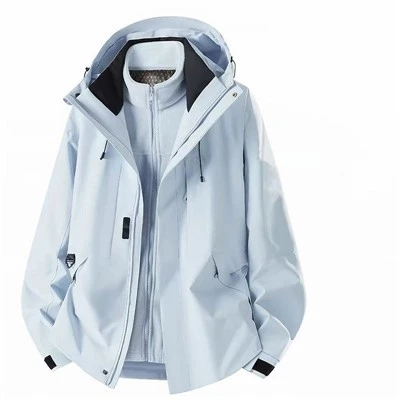
First, let’s get one thing straight: not all kids’ jackets are the same, and washing a puffer is way different than washing a raincoat or a soft fleece coat. I’ve had customers message me saying they washed their kid’s down puffer in hot water on a heavy cycle, and now the down is all clumped into lumps that make it bulky and useless. Or another who tossed their raincoat in the dryer, and the waterproof coating peeled off in the lint trap. That’s why the very first step—before you even pull out the detergent—is checking the care label. Every jacket we ship comes with a care tag stitched inside, right on the bottom hem, that tells you exactly what materials were used and how to clean it. For example, our down puffers have a tag that says “Machine wash cold, gentle cycle, no bleach,” while our raincoats say “Hand wash or delicate machine cycle, tumble dry low.” If you lost the tag (we get it—kids grab jackets and tear tags all the time), don’t panic. I’ll walk you through the most common types of kids’ outerwear and their washing rules, so you can still get it right.
Let’s start with the most popular kids’ jacket type: down puffers. They’re light, warm, and perfect for snowsuits, but down is super finicky. Down is made from the underfeathers of ducks or geese, and if you agitate it too hard or use hot water, the feathers clump together and can’t fluff back up. A lot of people also make the mistake of using regular laundry detergent on down, which has harsh chemicals that strip the natural oils from the feathers, making them less insulating over time. Here’s how we recommend washing down puffers, based on years of testing for our product line: First, zip all zippers and fasten all snaps. This prevents the jacket from getting tangled in the washer and keeps zippers from catching on other clothes. Then, turn the jacket inside out. This protects the outer shell, which is often a thin nylon or polyester that can get scuffed or faded from rubbing against the washer drum. Next, skip the bleach and fabric softener. Bleach breaks down the waterproof coating on the outer shell, and fabric softener coats the feathers, blocking their ability to trap air (which is what keeps them warm). Instead, use a mild, down-specific detergent. We actually work with a detergent brand to test products for our jackets, and we recommend anything labeled “down wash” or “technical fabric detergent”—avoid regular liquid or powder detergents, as they leave residue that makes down clumpy. Now, load the washer: only wash one jacket at a time, and if your washer has a large capacity, you can add two, but never overcrowd it. Overcrowding leads to uneven washing and can cause clumping. Choose the gentle or delicate cycle, and set the water temperature to cold. Hot water is bad for down, as it can shrink the shell and damage the feathers. Wait, what about the spin cycle? For down, the high spin cycle is actually a good thing—it removes excess water without agitating the feathers too much. Just make sure you don’t do an extra spin cycle, which would add unnecessary agitation. Once the wash is done, don’t toss it in the dryer yet. A lot of people think you need to dry a down jacket on high heat, but that’s a mistake. The best way to dry down is on low or medium low heat, and add two or three clean tennis balls (or dryer balls, if you have them) to the dryer. The tennis balls bounce around and beat the clumps of down apart, so the jacket fluffs back up evenly. I always tell parents to take the jacket out every 20 minutes and shake it gently, then check the clumps. That way, you don’t over-dry it, and you can make sure all the clumps are broken up. Dry time usually takes 1 to 2 hours, depending on the size of the jacket. If you take it out and it still feels slightly damp, air dry it for a bit longer—never put a wet down jacket in the dryer, as that can cause mold to grow inside.
Next up: waterproof raincoats and rain jackets. These are another super common type, especially for younger kids who jump in puddles all spring. Waterproof jackets have a special coating (usually polyurethane, or PU, or a DWR coating, which is durable water repellent) on the outer shell that makes water bead up and roll off. The biggest mistake people make with raincoats is using regular detergent or washing them on a heavy cycle, which strips that waterproof coating over time. Once the coating is gone, your raincoat won’t keep your kid dry anymore, and it’ll just get soaked through in the first rain. So what’s the right way to wash a raincoat? First, same as with down: zip all zippers, fasten snaps, turn it inside out. You want to protect that outer coating from getting scratched or damaged. For detergent, skip regular detergent again. It has harsh surfactants that break down the waterproof layer. Instead, use a mild, detergent made for technical fabrics, or even a gentle baby detergent, which is free of harsh chemicals. Some people recommend baking soda, but I’ve tested that for our jackets, and it can leave a residue that dulls the coating, so I’d stick to technical detergents. Now, the cycle: choose the delicate, gentle, or hand wash cycle on your washer, and cold water only. Never use hot water, as that can damage the waterproof coating. Also, never use bleach, fabric softener, or stain removers—those all eat away at the DWR coating. Now, drying a raincoat is different than drying a down puffer. You should never put a waterproof raincoat in the dryer on high heat. High heat can melt the waterproof coating, and it can also make the coating peel. Instead, air dry it. Hang the jacket on a clothesline or a drying rack, in a well-ventilated area, away from direct sunlight. Direct sunlight can fade the outer shell over time. Wait, what if you need to get the waterproof coating re-applied? After a few washes, even if you do everything right, the DWR coating can wear off, and you’ll notice water soaking into the jacket instead of beading. That’s normal, and you can easily re-apply a DWR spray at home, no need to take it to a dry cleaner. Just follow the instructions on the spray, and make sure to wash the jacket first to remove all residue before applying the new coating. That way, it will stick properly.
Now, let’s talk about fleece and softshell kids’ jackets, which are perfect for fall and mild winter days. Fleece is cozy, lightweight, and super easy to care for, but it can pill or get static-y if you wash it wrong. Softshell jackets are a mix of fleece and a thin outer layer, so they’re water-resistant and windproof, and they need a bit more care than basic fleece. For basic fleece jackets: same as the others, zip all zippers, turn inside out, wash with a mild detergent on a gentle cycle, cold water. The big mistake here is using fabric softener—fleece is absorbent, and fabric softener coats the fibers, making it less cozy and more likely to hold odors. Also, never use a high heat dryer for fleece, as that can shrink it or make it pill. Dry on low heat, or air dry if you want it to last longer. For softshell jackets: they have a thin waterproof or windproof layer, so same rules as raincoats apply—use a technical detergent, gentle cycle, cold water, air dry only. Avoid over-drying, as that can damage the outer layer.
What about the one thing almost every parent asks me: how do I get stains out of my kid’s jacket before washing? Kids are messy—they get grass stains, juice stains, chocolate stains on their jackets all the time. The key here is to treat stains before you wash, not after. If you wash a stain first, it will set into the fabric, and you’ll never get it out. So here’s my go-to stain removal tips, tested on all types of kids’ jackets: For grass stains: mix a small amount of mild dish soap (like Dawn, gentle, not the original strong stuff) with cold water, and rub it into the stain gently with a soft brush or your fingers. Let it sit for 10 to 15 minutes before washing. Never use hot water on grass stains, as that will set them. For juice or fruit stains: same rule, cold water and mild soap, or a small amount of white vinegar mixed with water. Vinegar is great for breaking down sugary stains without damaging fabric. For chocolate or food stains: scrape off any excess chocolate first (don’t rub it, that will spread it), then apply a small amount of mild detergent, let it sit for 20 minutes, then wash. For oil or mud stains: let the mud dry completely first, then brush off as much as you can before treating with soap. For tough stains, I recommend a stain remover that’s made for technical fabrics, not regular chlorine bleach. And always test the stain remover on a small, hidden part of the jacket (like the inside hem) first to make sure it doesn’t discolor the fabric.
Now, a few general do’s and don’ts that I’ve learned from years as a kids’ jacket supplier. First, never dry clean a kids’ jacket unless the care label specifically says it’s safe for dry cleaning. Dry cleaning uses harsh chemicals that can strip coatings from raincoats or down, and shrink fleece. Most of our jackets are not labeled for dry cleaning, because we know parents don’t want to pay for dry cleaning, and they can get washed at home properly. Second, don’t wash your kid’s jacket with other clothes. The biggest reason is that other clothes (like jeans or athletic wear) have zippers, buttons, or rough fabric that can scratch the outer shell of your jacket, or catch on the down or fleece, causing tears. Also, lint from other clothes can get stuck in the down or the waterproof coating, which is hard to get out. So wash jackets one at a time, or with other delicate items like socks or small towels that won’t snag. Third, never use too much detergent. A lot of people think more detergent means cleaner clothes, but that’s not true. Detergent residue is hard to rinse out, and it can make down clumpy, fleece dull, or raincoats less waterproof. For a standard load (one jacket), use about a quarter of the amount of detergent you would use for a full load of towels. Fourth, check the pockets before washing! I can’t tell you how many times a customer has told me they washed a jacket and found a half-eaten granola bar, a crumpled crayon, or a handful of candy in the pocket. Those things get all over the inside of the jacket, leave stains, and can even damage the washer. Always empty all pockets, and shake the jacket out before washing.
Wait, what about specialty kids’ coats, like snowsuits or parkas? Most of the rules we talked about apply to those too, but for extra bulky parkas, you might want to wash them in a front-loading washer, not a top-loading washer with an agitator. The agitator in top-load washers can agitate the down or the thick filling too much, causing clumping. If you have a top-loader, make sure the parka is not overcrowding the washer, and use the gentle cycle with a low spin. And for extra thick parkas, you might need to run the dryer longer, just keep checking for clumps.
Now, why does this matter so much for kids, anyway? When you take care of your kid’s jacket, you’re not just saving money on buying a new one every season. You’re making sure they stay warm, dry, and comfortable when they’re playing outside—whether that’s building a snowman in the backyard, walking to school in the rain, or playing soccer after class. We design our kids’ jackets to be durable, because we know kids are hard on their gear, but even the best jacket can be ruined by a bad wash. That’s why we make sure every jacket has a clear care label, and we’ve even put a care guide on our website for every product, because we want parents to know how to keep their kid’s jacket working as well as the day they bought it.
As a kids’ jackets and coats supplier, I work with schools, retail stores, and online shops to provide high-quality outerwear that lasts, and I’ve heard hundreds of stories from parents about how their jacket saved their kid from being cold or wet on a bad day. That’s why it’s so important to get the washing right—you want that jacket to be there for your kid, not fall apart after one season because of a small mistake.
If you’re a retailer or buyer looking for durable, easy-to-care-for kids’ jackets and coats that are designed to hold up to play and proper washing, feel free to reach out to us to discuss bulk purchasing, custom product lines, or wholesale pricing. We’re always happy to answer questions about product care, or work with you to create outerwear that meets your customers’ needs.
Men’s Jackets and Coats References:
- North Carolina State University Extension. (2022). Care of Down and Feather Products. Retrieved from extension resource guides for textile care.
- Textile Institute. (2021). Technical Fabric Care for Outdoor and Kids’ Outerwear. Journal of Textile and Apparel Technology Management.
- EPA Safer Choice Program. (2020). Care and Cleaning of Waterproof Outdoor Clothing. Safer Product Care Guidelines.
- Cotton Incorporated. (2019). Fleece Fabric Care and Maintenance Guide. Textile Care Best Practices for Home Laundering.
- American Cleaning Institute. (2021). Stain Removal Guidelines for Kids’ Clothing. Safe and Effective Stain Treatment for Delicate Outerwear.
Tengzhou Jufulong Garment Co., Ltd.
We are one of the most professional kids’ jackets and coats manufacturers and suppliers in China, also support customized service. With abundant experience, we warmly welcome you to wholesale high quality kids’ jackets and coats made in China here from our factory. Contact us for free sample.
Address: Zongzhuang Village, Jisuo Town, Tengzhou City, Zaozhuang City, Shandong Province (West of Jisuo Middle School)
E-mail: 17606320177@163.com
WebSite: https://www.jufulongwear.com/
