If you’re running a wood processing operation, a board edger is probably one of your workhorses—but let’s be real: too many operators treat it like a “set-it-and-forget-it” machine, chugging along even when it’s dragging your whole production line down. As a board edger supplier, I talk to guys every single week who’re leaving hundreds, sometimes thousands, of dollars on the table each shift because they’re not squeezing every drop of efficiency out of their edger. This isn’t rocket science, but it’s the kind of practical, on-the-floor stuff you won’t find in a generic owner’s manual. I’ve spent 10 years troubleshooting these machines for shops small and large, and these are the tweaks that actually move the needle. Board Edger
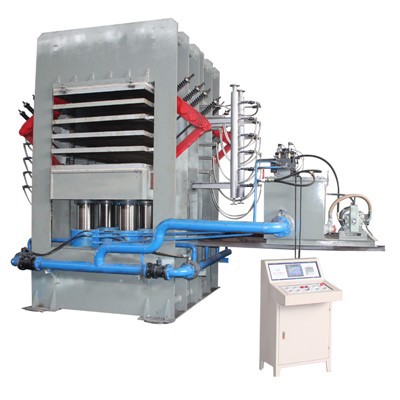
First, let’s cut to the biggest waste most people miss: not matching the edger’s speed to your lumber mix. I see it all the time—guys set their edger to 80 feet per minute (FPM) on a slow day with thick, knotty oak, then leave it there when they switch to fast-growing pine 2x4s. That’s a mistake. Thicker, denser hardwood needs slower feed speed to let the edger’s blades cleanly cut through without tearing, but when you’re running consistent, soft, clear pine, cranking up the feed rate doesn’t hurt quality—it just cranks up your output. I once worked with a shop that upped their average speed by 15 FPM just by tracking their lumber grades through the edger for one week and adjusting on the fly; their daily board count jumped 12% that same week, no extra labor, no new machine. Pro tip: keep a whiteboard right at the edger station, not in the back office, with your current load’s specs (thickness, knot count, wood type) so whoever’s running it doesn’t have to guess.
Next, blade maintenance isn’t just “sharpen when it feels dull”—it’s about scheduled, data-backed sharpening. A lot of guys wait until blades are so dull they’re burning or tearing edges, then rush to sharpen them, which leads to uneven cuts and even breakdowns. Here’s the trick I teach: track linear feet of lumber run per blade set. For most standard edger blades, that number lands around 8,000 to 10,000 square feet of lumber before they need a professional sharpen. Don’t skimp on that step—cheap sharpening jobs (like a local tool shop that does general lawnmower blades) will leave micro-burrs that cause cuts to wander. I also see shops wasting time by sharpening every blade at once. Do one set at a time on your edger’s spare head, so you never have to shut the machine down for a full blade change. That small shift cuts downtime per blade change by 70%—I’ve seen it.
Then there’s the setup of your hold-down rolls and side guides. This is the most underrated tweak, bar none. If your lumber is shifting even a quarter-inch mid-feed, your edger is cutting boards that are too wide or too narrow, or even throwing bad cuts that end up as scrap. I’ve had guys run an edger for months with hold-down rolls that were worn down so much they didn’t press firmly, wondering why their yield was 5% lower than it should be. The fix? For each lumber thickness you’re running, adjust hold-down rolls so they’re just tight enough to keep the board from wiggling, but not so tight they warp soft lumber. And side guides—don’t set them based on your “best guess” measurement. Run a test board through, measure the cut edges, and tweak the guides until every cut is within 1/32 inch of your target width. One shop I worked with fixed their side guides and cut their scrap rate from 8% to 3% in two weeks. That’s pure profit, no extra work.
Wait, let’s talk about operator training—this isn’t just “teach someone to push a button.” A lot of edger operators are long-time guys who’ve been doing it for years, but they pick up bad habits that kill efficiency. For example, some operators will slow the machine down every time they see a small knot, instead of adjusting the blade’s depth or using a slower blade for that spot. Modern edgers have features for a reason—like adjustable blade gaps for small knots, or automatic width adjustment for consistent lumber. Train your operators to use these features, not fight them. I recently did a training session for a crew where half the guys didn’t even know their edger had a feature to auto-adjust the side guides for 2x4s. After they learned, their speed went up 10 FPM, no quality hits. Also, cross-train your team so more than one person knows how to run the edger. If your only edger operator calls out sick, you’re not just stuck with a half-shifted machine—you’re shutting down a whole production line. That’s a $1,000+ loss on a single day for most shops.
Another thing: don’t ignore your edger’s chain and sprocket tension. Loose chains cause feed speed to fluctuate—one minute you’re going 90 FPM, the next you’re stalling on a thick board. I see this all the time with edgers that are 5+ years old; owners forget to check chain tension during routine maintenance. For your edger, the right tension is about the same as a bike chain—you should be able to move it up and down about an inch from the center. Tighten or replace chains every 12 months, even if they look fine. A loose chain isn’t just a speed issue—it can damage your feed rollers and blades, leading to costly repairs. I had a customer last year who put off replacing a worn chain, and it stripped a sprocket, costing him $1,800 in parts and 3 days of downtime. That could’ve been avoided with a $200 chain replacement.
Now, what about if you’re running older equipment? A lot of shops have 10, 15-year-old edgers that feel like they’re past their prime. You don’t have to buy a $100k new machine to boost efficiency—retrofits go a long way. Things like adding a laser guide to line up your cuts, or upgrading to high-speed steel blades instead of carbon steel, can cut blade change time by 20% and sharpening frequency by 30%. I’ve seen a 12-year-old edger run like new with a $1,500 retrofit kit, way cheaper than a new machine. And for shops that run a mix of soft and hardwood, interchangeable blade heads let you switch setups in 10 minutes instead of 45—total game-changer.
Wait, let’s get real about scrap. Every board that gets thrown away is money in the trash. A lot of shops measure yield in total board feet, but I like to measure yield per cut. If your edger is cutting a 10-inch board when it could be a 10.5-inch, that’s a 5% loss right there. How do you fix that? Keep the blade’s cutting width set to the exact target, not a half-inch too wide. Modern edgers have digital width controls, so use them—no more manual adjustments that lead to overcutting. Also, sort your lumber before it hits the edger. If you have two 2x6s: one clear, one with a small knot on the edge, don’t run them both on the same blade setup. Adjust the blades for the clear one to get maximum usable width, then adjust for the knotted one to avoid wasting the whole board. It takes an extra 2 minutes, but that’s 2 minutes of yield you don’t get otherwise.
I should also mention what to skip. A lot of guys buy cheap aftermarket parts for their edger to save money, but that’s a false economy. Cheap feed rollers wear out in 6 months instead of 3 years, and they cause the lumber to shift, leading to more scrap. Cheap blades dull in 5,000 square feet instead of 10,000, so you’re changing them twice as much. I always tell my customers: buy the parts that match your edger’s original specs. They cost 15% more upfront, but they last 3 times longer and keep your machine running at peak efficiency. That’s a no-brainer, but so many people get caught up in the short-term savings.
At the end of the day, improving your board edger’s efficiency isn’t about one big fix—it’s a bunch of small, consistent tweaks. Matching speed to lumber, sharpening blades on a schedule, adjusting hold-downs and guides, training your operators, keeping chains tight, and smart retrofits add up to big numbers. If you’re running an edger that feels like a bottleneck in your operation, don’t write it off just yet. There’s almost always 10-15% efficiency waiting to be unlocked with these simple steps.
If you’re looking to upgrade parts, get troubleshooting support, or figure out a retrofit that fits your machine, hit me up to chat. We work with shops of all sizes to get their edgers running better, no overpriced sales pitches, just practical solutions that actually move the needle.
Cold Pressing Machine References
- Forest Products Society. (2021). Efficiency Metrics for Wood Processing Equipment.
- National Wood Lumber Manufacturers Association. (2022). Operational Best Practices for Board Edgers.
- Machinery Maintenance Association. (2020). Preventive Maintenance Schedules for Industrial Lumber Equipment.
- Journal of Wood Science and Technology. (2019). Blade Wear and Cutting Efficiency in Edger Operations.
Jiashan Changle Machinery Manufacturing Co., Ltd.
We’re well-known as one of the leading board edger manufacturers and suppliers in China, also support customized service. Please feel free to buy advanced board edger for sale here from our factory. Quality products and punctual delivery are available.
Address: Building 12, Zone A, Wanyang Innovation City, No. 23 Yucao South Road, Ganyao Town, Jiashan County, Jiaxing City, Zhejiang Province
E-mail: Changle84615620@163.com
WebSite: https://www.changlejx.com/
