Safety precautions for using a pipe conveyor belt are of utmost importance for ensuring the smooth operation of industrial processes, protecting the well – being of workers, and maintaining the longevity of the equipment. As a supplier of pipe conveyor belts, I’ve witnessed firsthand the significance of taking the right safety measures. In this blog, I’ll delve into the key safety precautions that every operator should be aware of when using our pipe conveyor belts. Pipe Conveyor Belt
Pre – operation Checks
Before starting the pipe conveyor belt system, a thorough pre – operation check is essential. Firstly, inspect the physical condition of the belt itself. Look for any signs of wear and tear, such as cracks, cuts, or fraying. These imperfections can lead to sudden failures during operation, which may cause significant disruptions and pose safety hazards. For example, a small crack can gradually grow under the stress of continuous movement, eventually leading to the belt breaking and potentially injuring nearby workers or damaging other equipment.
Next, examine the belt’s alignment. A misaligned conveyor belt can cause uneven wear, reduce the overall efficiency of the system, and increase the risk of material spillage. Check that the belt is centered on the pulleys and that there are no signs of it drifting to one side. You can use alignment tools or simply mark a reference point on the belt and observe its position relative to fixed points on the conveyor frame during a short test run.
Inspect the tension of the belt as well. Proper tension is crucial for the belt to function correctly. If the belt is too loose, it may slip on the pulleys, resulting in reduced power transmission and potential jamming. On the other hand, an overly tight belt can put excessive stress on the bearings and other components, leading to premature failure. Use tension gauges or follow the manufacturer’s guidelines to ensure the belt is tensioned to the appropriate level.
Also, check all the safety guards and covers. These are designed to prevent workers from accessing moving parts of the conveyor system, such as pulleys, rollers, and belts themselves. Make sure that all guards are in place, properly secured, and in good condition. Damaged or missing guards should be repaired or replaced immediately.
Training and Certification
Proper training is a cornerstone of safety when it comes to using a pipe conveyor belt. All operators and maintenance personnel should receive comprehensive training on the specific model of the pipe conveyor belt they’ll be working with. This training should cover not only the basic operation of the conveyor but also emergency procedures, troubleshooting, and preventive maintenance.
For example, operators should know how to start and stop the conveyor safely, how to adjust the speed and other operating parameters, and how to load and unload materials properly. Maintenance personnel need to be trained in identifying common problems, such as belt tracking issues, bearing failures, or motor malfunctions, and how to perform the necessary repairs.
In addition to in – house training, obtaining relevant certifications can further enhance the operators’ skills and knowledge. There are industry – recognized certifications available that focus on conveyor safety and operation. Requiring operators to obtain these certifications can ensure a higher level of safety standards across the board.
Maintenance and Lubrication
Regular maintenance is vital for the long – term safety and performance of the pipe conveyor belt. Set up a maintenance schedule and adhere to it strictly. This schedule should include tasks such as cleaning the belt, checking the condition of the pulleys and rollers, and inspecting the drive system.
Cleaning the belt is important to prevent the buildup of debris, which can interfere with the belt’s movement and cause premature wear. Use appropriate cleaning agents and methods recommended by the manufacturer. For example, for belts used in food – processing industries, use food – grade cleaning agents to ensure compliance with hygiene standards.
Lubrication is another critical aspect of maintenance. The bearings, gears, and other moving parts of the conveyor system need to be lubricated regularly to reduce friction and wear. Use the correct type of lubricant as specified in the product manual. Over – lubrication can be just as harmful as under – lubrication, as it can attract dirt and debris, leading to clogged components and potential overheating.
Electrical Safety
Pipe conveyor belts are often powered by electricity, so electrical safety is a major concern. All electrical components of the conveyor system, such as motors, controls, and wiring, should be installed and maintained in accordance with electrical codes and standards.
Inspect the electrical wiring regularly for any signs of damage, such as frayed wires, loose connections, or exposed conductors. These issues can cause electrical shorts, which may lead to fires or electric shocks. Use appropriate electrical testing equipment to check the integrity of the wiring and ensure that all connections are secure.
Make sure that electrical enclosures are properly sealed and rated for the environment in which the conveyor operates. In industrial settings, where there may be dust, moisture, or chemicals present, using enclosures that can protect the electrical components from these elements is crucial.
Material Loading and Handling
Proper material loading and handling are essential for the safe operation of the pipe conveyor belt. The type and characteristics of the material being transported should be taken into consideration. For example, if the material is abrasive, it may cause accelerated wear on the belt. In such cases, using a belt with a more wear – resistant surface is recommended.
Load the material evenly on the belt to prevent uneven stress distribution. Uneven loading can cause the belt to shift or sag, increasing the risk of misalignment and potential spills. Use appropriate feeding mechanisms, such as chutes or hoppers, to ensure that the material is fed onto the belt in a controlled manner.
When handling materials, avoid overloading the conveyor. Each pipe conveyor belt has a specified maximum capacity, and exceeding this capacity can put excessive stress on the belt and other components, leading to premature failure. Provide clear guidelines to workers on the maximum allowable load and enforce strict compliance.
Emergency Preparedness
Despite all the preventive measures, emergencies can still occur. Therefore, it’s important to have a well – defined emergency preparedness plan in place. This plan should include procedures for dealing with various types of emergencies, such as belt breakages, fires, or electrical failures.
Install emergency stop buttons at easily accessible locations along the conveyor system. These buttons should be clearly marked and tested regularly to ensure they function properly. In the event of an emergency, operators should be able to quickly press the emergency stop button to halt the operation of the conveyor.
Have a fire suppression system in place. Depending on the nature of the materials being transported and the environment, this may include sprinklers, fire extinguishers, or other fire – fighting equipment. Train workers on how to use the fire suppression equipment effectively.
Conduct regular emergency drills to ensure that all workers are familiar with the emergency procedures. These drills should simulate real – life emergency scenarios and allow workers to practice their response.
Environmental Considerations
The environment in which the pipe conveyor belt operates can also have an impact on safety. In outdoor environments, factors such as extreme temperatures, humidity, and weather conditions need to be considered. For example, in cold weather, the belt may become more brittle, increasing the risk of cracking. In such cases, using a belt with a suitable cold – resistance rating is necessary.
In areas with high levels of dust or chemicals, proper ventilation and dust collection systems should be installed. This can prevent the accumulation of dust, which may pose a fire or explosion hazard, and also protect the health of workers from inhaling harmful particles.
Monitoring and Inspection
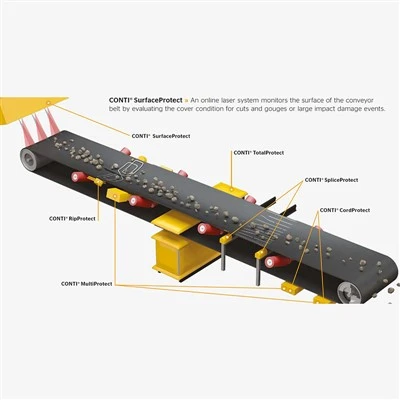
Continuous monitoring and regular inspections are key to identifying potential safety issues before they turn into major problems. Use sensors and monitoring devices to keep track of various parameters, such as belt speed, temperature, and tension. Unusual changes in these parameters can indicate underlying problems.
For example, a sudden increase in belt temperature may suggest a problem with the drive system or excessive friction. By detecting these changes early, operators can take corrective action before the situation worsens.
In addition to continuous monitoring, conduct regular visual inspections of the entire conveyor system. Look for any signs of abnormal wear, loose components, or other potential safety hazards. Keep a detailed record of all inspections and maintenance activities, which can help in identifying trends and predicting future problems.
In conclusion, using a pipe conveyor belt safely requires a comprehensive approach that encompasses pre – operation checks, training, maintenance, electrical safety, proper material handling, emergency preparedness, environmental considerations, and continuous monitoring. By following these safety precautions, operators can ensure the efficient and safe operation of the pipe conveyor belt system, reduce the risk of accidents and breakdowns, and extend the lifespan of the equipment.
Low Rolling Resistant Conveyor Belt If you’re interested in learning more about our pipe conveyor belts or have any questions regarding safety precautions and best practices, I encourage you to reach out to us for a detailed discussion. We’re committed to providing high – quality products and professional advice to meet your specific needs.
References
- Conveyor Equipment Manufacturers Association (CEMA) standards on conveyor safety and operation.
- OSHA (Occupational Safety and Health Administration) guidelines for industrial conveyor systems.
- Manufacturer’s product manuals and technical documentation for pipe conveyor belts.
Alumina Technology (Qingdao) New Materials Co., Ltd.
As one of the most professional pipe conveyor belt manufacturers and suppliers in China, we also support customized service. With abundant experience, we warmly welcome you to buy pipe conveyor belt for sale here and get quotation from our factory. For price consultation, contact us.
Address: No.448, Jiangshan South Road, Huangdao District, Qingdao City, Shandong Province
E-mail: Gloria.zhang@contitech.cn
WebSite: https://www.altechconveyorbelt.com/
