Hey there! I’m a supplier of non-standard flanges, and I know firsthand that dealing with problems related to these flanges can be a real headache. But don’t worry, I’m here to share some tips on how to troubleshoot those issues. Non-standard Flange
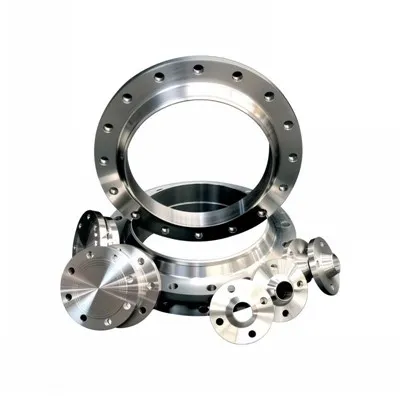
Common Problems with Non-Standard Flanges
First off, let’s talk about the common problems you might run into with non-standard flanges. One of the most frequent issues is leakage. This can happen for a bunch of reasons. Maybe the flange wasn’t machined correctly, or the gasket used isn’t the right one for the job. Another problem is misalignment. Non-standard flanges often need to fit into unique setups, and if they’re not aligned properly, it can cause all sorts of problems, like uneven stress on the flange and potential damage over time.
Then there’s the issue of material compatibility. Non-standard flanges can be made from a wide range of materials, and if the material isn’t compatible with the fluid or gas flowing through the system, it can lead to corrosion or other forms of degradation. And let’s not forget about the problem of improper installation. If the flange isn’t installed according to the right procedures, it can cause problems right from the start.
Troubleshooting Leakage
Let’s start with leakage. If you notice a leak around a non-standard flange, the first thing you should do is check the gasket. Make sure it’s the right size and material for the application. Sometimes, a simple gasket replacement can solve the problem. You also need to check the flange surface. If it’s damaged or rough, it might not seal properly. You can use a surface finish gauge to check the smoothness of the flange surface. If it’s not up to par, you might need to resurface the flange.
Another thing to check is the bolt tightening. If the bolts aren’t tightened evenly, it can cause the flange to warp and lead to leakage. You should use a torque wrench to make sure all the bolts are tightened to the correct specification. And don’t forget to check for any signs of corrosion on the bolts. Corroded bolts can lose their strength and cause the flange to loosen over time.
Dealing with Misalignment
When it comes to misalignment, the first step is to visually inspect the flange. Look for any signs that it’s not sitting square with the pipe or other components. You can use a straightedge or a laser alignment tool to get a more accurate measurement. If you find that the flange is misaligned, you need to figure out why. It could be due to a problem with the installation, or it could be that the pipe has moved over time.
If the misalignment is due to installation issues, you might need to remove the flange and reinstall it correctly. Make sure you follow the installation instructions carefully and use the right tools. If the pipe has moved, you need to find a way to secure it in place. This could involve using pipe clamps or other support structures.
Addressing Material Compatibility
Material compatibility is a bit trickier to troubleshoot. The first thing you need to do is identify the fluid or gas that’s flowing through the system and the material the flange is made from. You can refer to material compatibility charts to see if the two are a good match. If they’re not, you might need to replace the flange with one made from a more suitable material.
It’s also important to keep an eye on the condition of the flange over time. If you notice any signs of corrosion or degradation, it could be a sign that the material isn’t compatible. In that case, you need to take action quickly to prevent further damage to the system.
Fixing Improper Installation
Improper installation can cause a whole host of problems with non-standard flanges. If you suspect that the flange was installed incorrectly, the first thing you should do is review the installation instructions. Make sure all the steps were followed correctly, including the use of the right tools and the correct torque settings for the bolts.
You might also need to check the alignment of the flange during the installation process. Make sure it’s centered and square with the pipe or other components. If you find that there were mistakes during the installation, you need to correct them as soon as possible. This could involve removing the flange and reinstalling it properly.
Preventive Measures
Of course, the best way to deal with problems with non-standard flanges is to prevent them from happening in the first place. Here are some preventive measures you can take:
- Choose the right flange: Make sure you select a non-standard flange that’s suitable for your specific application. Consider factors like the pressure, temperature, and fluid or gas that will be flowing through the system.
- Use high-quality gaskets: Invest in good-quality gaskets that are designed to work with your non-standard flange. They can make a big difference in preventing leakage.
- Follow proper installation procedures: Make sure you follow the installation instructions carefully and use the right tools. This will help ensure that the flange is installed correctly and will function properly.
- Regular maintenance: Schedule regular inspections and maintenance of your non-standard flanges. This will help you catch any potential problems early and prevent them from turning into major issues.
Conclusion
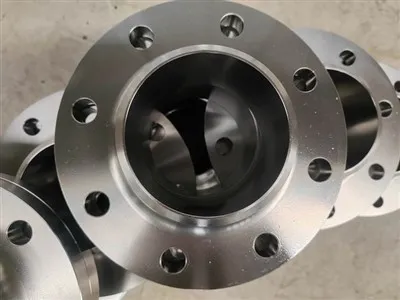
Well, that’s my take on how to troubleshoot problems with non-standard flanges. I hope these tips are helpful to you. As a non-standard flange supplier, I’ve seen a lot of these issues over the years, and I know how frustrating they can be. But with the right approach, you can get your flanges back in working order and keep your system running smoothly.
Ansi B16.47 Fange If you’re having trouble with non-standard flanges or if you’re looking for high-quality non-standard flanges for your next project, don’t hesitate to reach out. I’m here to help you find the right solutions for your needs. Whether you need a custom flange design or just some advice on troubleshooting, I’ve got you covered. Let’s work together to solve your flange problems and get your project back on track.
References
- "Flange Design and Engineering Handbook" – A comprehensive guide on flange design and troubleshooting.
- "Materials for Industrial Applications" – A resource on material compatibility and selection for flanges.
Shanxi Xinshunda Flange Manufacturing Co., Ltd.
As one of the most professional non-standard flange manufacturers and suppliers in China, we also support customized service with competitive price. We warmly welcome you to wholesale high quality non-standard flange for sale here from our factory. For quotation, contact us now.
Address: Zhunagli Industrial Zone,jinchang Town,dingxiang,shanxi,china
E-mail: sales01@xinflange.com
WebSite: https://www.xinflange.com/
