How to Handle Damaged Chemical Packaging Chemical Packaging
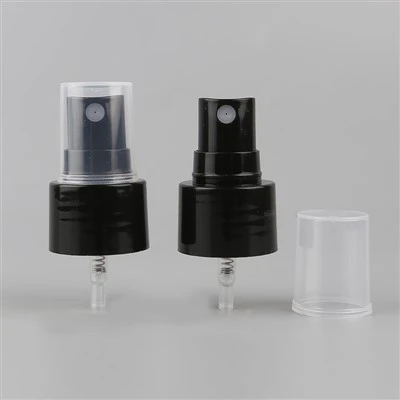
As a long – time supplier in the chemical packaging industry, I’ve witnessed various scenarios of damaged chemical packaging. It’s not only a matter of product integrity but also a critical safety concern. In this blog, I’ll share some insights on how to effectively handle damaged chemical packaging.
Understanding the Risks of Damaged Chemical Packaging
First and foremost, we need to understand why damaged chemical packaging can be so dangerous. Chemicals, by their nature, often have unique physical and chemical properties. Many are toxic, corrosive, flammable, or reactive. When the packaging is damaged, it creates an opportunity for these chemicals to interact with the environment, which can lead to a host of problems.
-
Leakage and Spills: A damaged package may allow the chemical to leak or spill out. This can cause harm to the immediate environment, including soil and water pollution. For example, a spill of a strong acid can contaminate nearby water sources and harm aquatic life. Moreover, spills in a workplace can pose a direct threat to workers’ health, as they may come into contact with the chemical through skin or inhalation.
-
Increased Reactivity: Some chemicals are stable when properly contained but can become highly reactive when exposed to air, moisture, or other substances in case of packaging damage. For instance, certain metals in powder form can combust spontaneously when exposed to air after the package is breached.
-
Incompatible Mixing: If there are multiple chemical packages in close proximity, a damaged package can lead to the mixing of incompatible chemicals. This can trigger violent chemical reactions, such as explosions or the release of toxic gases.
Immediate Response to Damaged Chemical Packaging
When a damaged chemical package is discovered, there are several immediate steps that should be taken:
-
Isolate the Area: The first thing to do is to cordon off the area around the damaged package to prevent unauthorized access. This helps to minimize the risk of people coming into contact with the spilled chemical. Place warning signs around the area to indicate the potential danger.
-
Evacuate if Necessary: Depending on the nature of the chemical and the extent of the damage, it may be necessary to evacuate the area. For example, if a highly toxic gas – emitting chemical is leaking, a full – scale evacuation of the building or the surrounding area may be required. Ensure that all workers are aware of the evacuation routes and procedures.
-
Wear Appropriate Personal Protective Equipment (PPE): Before attempting to handle the damaged package, those involved in the response must put on the right PPE. This may include gloves, goggles, respirators, and protective clothing. The type of PPE depends on the specific chemical. For example, when dealing with corrosive chemicals, the gloves should be made of a material resistant to corrosion.
-
Assess the Damage: Once in the appropriate PPE, carefully assess the extent of the damage to the package. Determine if the chemical is leaking, the rate of leakage, and whether there is a risk of further damage. This assessment will help in deciding the next course of action.
Containment and Clean – up
After the initial response, the next step is to contain and clean up the spilled chemical:
-
Containment: Use appropriate containment materials to prevent the spread of the spilled chemical. For liquid chemicals, absorbent materials such as sand, vermiculite, or specialized absorbent pads can be used. These materials soak up the liquid and prevent it from flowing further. For solid chemicals, barriers can be set up to prevent the spread.
-
Transfer to a Safe Container: If possible, transfer the remaining chemical from the damaged package to a new, undamaged container. This should be done carefully to avoid further spills. Ensure that the new container is compatible with the chemical and has the appropriate capacity. Label the new container clearly with the name of the chemical, its hazards, and other relevant information.
-
Clean – up: Once the chemical is contained, clean up the spilled area. Use appropriate cleaning agents that are compatible with the chemical. For example, for an acid spill, a mild base can be used to neutralize the acid before cleaning. Dispose of the cleaning materials and the absorbed chemical in accordance with local regulations.
Preventive Measures
While it’s important to know how to handle damaged chemical packaging, prevention is always better than cure. Here are some preventive measures we, as a chemical packaging supplier, recommend:
-
Proper Packaging Design: Select the right type of packaging based on the properties of the chemical. For example, corrosive chemicals require packaging made of materials that are resistant to corrosion, such as certain plastics or lined metal containers. The packaging should also be designed to withstand normal handling and transport conditions.
-
Quality Control: Implement strict quality control measures during the manufacturing of the packaging. Check for any defects, such as cracks, weak spots, or improper seals. Conduct regular inspections of the packaging during storage and before shipment.
-
Training: Provide training to workers involved in the handling, storage, and transport of chemical packages. They should be educated about the hazards of the chemicals, proper handling techniques, and emergency response procedures in case of packaging damage.
-
Transportation Considerations: Ensure that the chemical packages are properly secured during transportation. Use appropriate packaging and cushioning materials to prevent damage from vibrations, shocks, or impacts. Comply with all transportation regulations regarding the packaging and labeling of chemicals.
Communication and Documentation
In addition to the above steps, communication and documentation are crucial when dealing with damaged chemical packaging:
-
Internal Communication: Immediately inform relevant personnel within the company, such as safety officers, management, and logistics teams, about the damaged packaging. This allows for a coordinated response and ensures that everyone is aware of the situation.
-
External Communication: If the damage occurs during transportation or in a shared facility, communicate with the transportation company, regulatory authorities, and other relevant parties. Provide them with accurate information about the chemical, the extent of the damage, and the steps being taken to address it.
-
Documentation: Keep detailed records of the damaged chemical packaging incident. This includes the date, time, location, nature of the chemical, type of damage, and the actions taken to handle it. Documentation is important for regulatory compliance, insurance claims, and future risk assessment.
As a chemical packaging supplier, we are committed to providing high – quality packaging solutions that minimize the risk of damage. Our products are designed and manufactured with the highest safety standards in mind. If you are in need of reliable chemical packaging, we invite you to reach out for a procurement discussion. Our team of experts can help you select the most suitable packaging for your specific chemical products and ensure that you have all the necessary information and support to handle any potential issues.
Cosmetic Packaging References
- "Chemical Packaging Handbook": A comprehensive guide on the best practices in chemical packaging, including design, materials, and safety considerations.
- "Occupational Safety and Health Administration (OSHA) Regulations": These regulations outline the safety requirements for handling and storing chemicals in the workplace, including packaging and spill response.
- "International Maritime Dangerous Goods (IMDG) Code": For those involved in the transport of chemicals by sea, this code provides guidelines on proper packaging, labeling, and handling for safe transportation.
Jiangsu Welljoin Plastic Co., Ltd.
As one of the most professional chemical packaging manufacturers and suppliers in China, our products have good reputation in the market. Please rest assured to wholesale bulk premium chemical packaging from our factory. Good service and quality products are available.
Address: No.6 Chuangye Road, Xuanbao Industrial Park, Taixing, Jiangsu, P.R. China
E-mail: paul@welljoin.com.cn
WebSite: https://www.welljoin-pack.com/
