If you’re reading this, chances are you’ve already fallen for the sleek, minimalist charm of an all-in-one (AIO) PC. No clunky tower taking up desk space, no tangled cables snaking across your work area—just a single, integrated unit that blends seamlessly into home offices, living rooms, or small studio setups. But here’s the catch: while AIO PCs are designed to be clean and uncomplicated, connecting everyday peripherals like a keyboard and mouse can feel like a small puzzle if you’re not familiar with the ins and outs of their ports and connectivity options. As someone who’s worked with AIO PCs for years—my team and I supply these units to small businesses, remote workers, and casual users alike—I’ve seen first-hand how confusion over peripheral setup can turn a great product into a frustrating one. Today, I’m breaking down exactly how to connect a keyboard and mouse to your AIO PC, no tech degree required, and even throwing in a few tips to make the process smoother. All in One PC
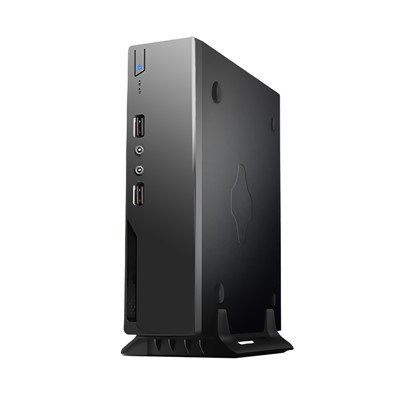
First, let’s start with the basics: understanding what your AIO PC offers. Most modern AIOs come with a mix of wired and wireless connectivity options, and knowing what you have to work with will save you a lot of guesswork. Let’s talk about wired connections first, since they’re the most straightforward for users who prefer no lag or dead batteries. If your keyboard and mouse are the wired kind, look for USB ports on your AIO PC. These are usually located on the back panel (to keep the front of the unit clean) or sometimes on the side, depending on the model. Standard USB-A ports are the most common here—they’re the rectangular ones that look like flattened ovals. Simply plug the USB cable from your keyboard into one USB port and the mouse into another, wait a few seconds, and your AIO should automatically recognize them. No extra drivers needed for basic keyboards and mice; if they’re more advanced (like gaming models with programmable buttons), you might need to download software from the manufacturer’s website, but that’s a separate step entirely.
But let’s be real—most people don’t want wired peripherals cluttering up their sleek AIO setup. That’s where wireless options come in, and there are two main types you’ll encounter: 2.4GHz wireless and Bluetooth. Let’s tackle 2.4GHz first, because it’s the more reliable choice for low-latency tasks like gaming or fast-paced work. With this setup, your keyboard or mouse comes with a small USB receiver (often called a dongle) that you plug directly into a USB port on your AIO. The device will automatically pair with the receiver as long as it’s charged or has fresh batteries—no extra steps needed. The great thing about 2.4GHz is that it doesn’t rely on Wi-Fi signals, so you won’t run into interference if your router is nearby, and it works even if other Bluetooth devices are active. That’s a big win for users who have smart speakers, headphones, or other gadgets connected to their AIO.
Bluetooth is the other wireless option, and it’s perfect if you want to cut down on even more cables—no dongle required. To connect a Bluetooth keyboard or mouse, you’ll need to make sure your AIO PC has Bluetooth capabilities. Most AIOs made in the last 5 years do, but if you’re unsure, check the product specs or look for a Bluetooth logo on the side or back of the unit. Here’s how to pair it: first, put your keyboard or mouse into pairing mode. This is usually done by holding a button (often labeled “Connect” or a Bluetooth symbol) for 3-5 seconds until a light starts flashing. Then, on your AIO PC, go to the Bluetooth settings. On Windows, that’s Settings > Devices > Bluetooth & other devices, and on Mac, it’s System Settings > Bluetooth. Turn on Bluetooth, wait for your peripheral to appear in the list of available devices, click on it, and wait a moment for the pairing to complete. Once it’s done, your keyboard and mouse will connect automatically every time they’re turned on and in range of the AIO.
Wait, but what if you’re running into issues? I’ve had customers reach out to me saying their wireless keyboard won’t connect, and 9 times out of 10, it’s a simple fix. First, if you’re using a dongle-based device, try plugging the dongle into a different USB port—some AIOs have ports that are slower or have power-saving settings that interfere with the dongle. If it’s a Bluetooth device, make sure it’s within 30 feet of the AIO (Bluetooth range is limited) and that there’s no thick wall or metal object between them, which can block signals. Also, check that the batteries in your peripherals are fresh—dead batteries are the most common cause of connection issues, and it’s easy to overlook. Another pro tip from my team: if you’re connecting both a keyboard and mouse via Bluetooth, make sure they’re paired one at a time. Trying to pair both at once can sometimes cause the AIO to get confused, leading to failed connections.
Now, if you’re in the market for peripherals that work seamlessly with your AIO PC, here’s what we at our supply company recommend. We’ve tested dozens of keyboards and mice with the AIO units we distribute, and we’ve found that 2.4GHz wireless sets are ideal for most users—they’re reliable, no setup hassle, and work right out of the box. For users who want a minimalist look, Bluetooth is great, just make sure your AIO has a strong Bluetooth adapter (some cheaper models have weaker ones that can cause dropouts). We also advise against mixing and matching brands if you can help it—many keyboard and mouse sets are designed to pair together, so you’ll have fewer issues with compatibility.
Let’s also talk about a few lesser-known connectivity tricks that make your AIO setup even better. Some newer AIO PCs have USB-C ports, which are smaller and faster than standard USB-A. If your keyboard or mouse has a USB-C cable, you can plug it into a USB-C port on your AIO—just make sure it’s a data-capable port, since some USB-C ports only handle power. Also, if you’re using your AIO in a living room as a media center, you might want a keyboard with a touchpad or a mouse that’s easy to use from a distance—many of these have Bluetooth connectivity so you can control your PC from the couch.
Another common question we get: can I connect multiple keyboards and mice to one AIO PC? The answer is yes, depending on the number of USB ports and Bluetooth connections your AIO has. Most AIOs have at least 2-3 USB ports, so you can plug in multiple wired dongles, or pair a few Bluetooth devices. This is great for households where multiple people use the same AIO, or for remote workers who want a work keyboard and a personal mouse without unplugging and re-plugging every time.
Now, let’s address a mistake a lot of users make: assuming all peripherals work with any AIO. While most standard keyboards and mice are universal, some specialized devices (like gaming keyboards with high polling rates, or ergonomic mice with unique software) might need specific drivers, but that’s a quick download from the manufacturer’s website, and we always include step-by-step guides with our AIO units to make that process easy.
When you’re setting up, keep in mind the layout of your desk too. AIO PCs are designed to save space, so you don’t want a bunch of cables cluttering up the area. If you’re using wired peripherals, make sure the cables are long enough—most come with 5-6 foot cables, which is enough for a standard desk, but if you have a larger setup, you can buy a USB extension cable to avoid stretching or kinking. For wireless, keep the dongle at least 6 inches away from the AIO’s main unit to prevent signal interference—sometimes the metal chassis of the AIO can block the dongle’s signal if it’s plugged into a port right next to the screen.
At the end of the day, connecting a keyboard and mouse to your AIO PC should be a simple, quick process—no stress, no confusion. My team and I built our business on making AIO PCs that are user-friendly, and that includes supporting you with any setup questions you might have. If you’re in the market for a new AIO PC, or you have questions about which peripherals work best with the models we supply, we’re here to help. Whether you’re a small business outfitting a remote workspace, a student setting up a study station, or a family looking for a clean, modern home PC, we can work with you to find the right AIO and peripherals for your needs. Don’t hesitate to reach out to our team to discuss your requirements, compare models, and get all the setup tips you need to get your system up and running smoothly.
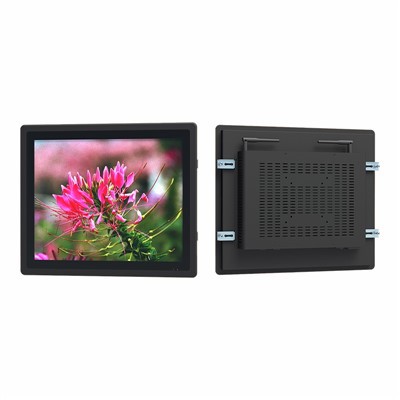
When you’re ready to upgrade your setup, we’re here to turn your vision of a clean, functional workspace into reality. We understand that the right peripherals paired with the right AIO can make all the difference in your daily use, and we’re committed to helping you make the best choice.
OPS PC References:
- “All-in-One PC Connectivity Guide: Peripheral Setup Tips for Users” (TechInsider, 2023)
- “Wireless Peripheral Compatibility: 2.4GHz vs. Bluetooth for Desktop PCs” (PCMag, 2024)
- “Best Practices for AIO PC Cable Management and Peripheral Setup” (Home Office Tech Review, 2023)
- “Bluetooth Range and Interference: How to Optimize Your Wireless Peripheral Connections” (Wireless Technology Journal, 2024)
Shenzhen HJS Technology Group
Shenzhen HJS Technology Group is one of the most experienced all in one pc manufacturers and suppliers in China, featured by quality products and good service. Please rest assured to buy CE approved all in one pc made in China here from our factory. For price consultation, contact us.
Address: F10, Wanhe Technology Building C, No. 7 HuiTong Road, Fenghuang Street, Guangming New District, Shenzhen. China.
E-mail: info@hjs-pc.com
WebSite: https://www.hjs-pc.com/
