If you’re in the underground mining game, you already know that moving an underground loading trolley isn’t just hooking it up to a truck and calling it a day. I’ve been selling these bad boys for years, and trust me—mess this up, and you’re looking at delayed shifts, damaged equipment, or even safety headaches that no mine boss wants on their plate. Today, I’m breaking down exactly how to get your trolley from my yard (or wherever you’re picking it up) down to your mine site without losing your mind. Let’s keep this real, no stuffy manuals here. Underground Loading Trolley
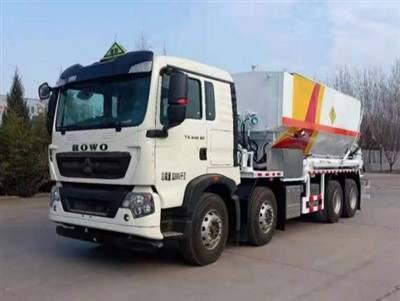
First off, let’s talk pre-transport prep—this is make-or-break stuff, and if you skip it, you’ll regret it. Trolleys are heavy, some models tipping the scales at 15 tons or more, so you can’t just wing the loadout. First, you’ve gotta check the trolley’s specs (I always send these to clients before we even talk transport, by the way—no surprises). What’s its length? Width? Most underground mine access declines are narrow, like 12 to 15 feet wide, so if your trolley’s 10 feet across, you’ve got zero room for error. I’ve seen too many guys jam a trolley into a decline and crack the frame because they skipped that check. Also, the trolley’s center of gravity—if it’s top-heavy, you’ll need to lower the hydraulic bucket (if it has one) to keep the weight low. That’s a free tip from me, don’t ignore it.
Next, disconnect everything that can come loose. Hydraulic lines, battery packs, control boxes—underground mines are damp and dusty, so you don’t want a loose hose bouncing around and leaking fluid, or a battery getting dust in its terminals and dying mid-shift. Pro move: I tell all my clients to tag every disconnected line with a marker that matches the port it came from. That way, when you’re re-installing it 3,000 feet underground, you don’t spend 2 hours guessing which hose goes where. I’ve had clients come back saying that little step saved them a whole shift—worth the 5 minutes it takes.
Then, you need the right transport gear. Over-the-road (OTR) won’t cut it for most sites, because a lot of mines are in remote areas, with unpaved access roads that get muddy or rutted. If you’re moving it over land before the decline, you need a lowboy trailer—one with a drop deck, so the trolley’s height doesn’t exceed legal road limits (most roads have a 13.5-foot height limit, so lowboys keep you under that). But here’s the thing: if your mine access is a decline, you can’t use a regular lowboy going down. Declines are steep—some have a 10% grade, meaning for every 10 feet you move, you drop 1 foot. So you need a tracked vehicle or a specialized underground transport skid. Wait, why tracked? Tires can slip on the wet, uneven decline surface, especially if it’s covered in mud or slush from groundwater. Tracks give way more traction, so you don’t end up with your trolley stuck halfway down the decline. I always recommend renting a skid that’s rated for at least 20 tons—so you’ve got extra capacity, no cutting corners.
Now, the big part: moving the trolley through the decline. This is where most safety stuff comes in, and I don’t mess around with this. First, you’ve gotta do a decline inspection before you even move anything. Walk the whole thing, check for loose rocks on the walls (they can fall and hit your transport gear), check the grade with a simple level (make sure it’s consistent, no sudden dips that’ll make your trolley lurch), and clear any debris that’s on the track or road. If there are utility lines (like power cables hanging low), mark their height so you don’t catch the trolley’s top. I once had a client skip this, and they snagged a 10,000-volt cable—total chaos, shut down the mine for 12 hours, cost them way more than the inspection would’ve. Don’t be that guy.
When you’re ready to move, you need a spotter on foot, not just a driver in the cab. The spotter’s job is to watch the sides of the trolley for clearance, check the decline surface for slips, and communicate with the driver the whole time—use two-way radios, not yelling, because it’s noisy underground. Keep your speed super slow—like 1 to 2 mph. No rushing, even if you’re in a hurry to get the trolley working. If the decline has curves, even tighter clearance, the spotter should walk ahead to check the curve’s radius—some curves are too tight for the trolley’s turning radius, which means you might need to disconnect a part or move it in two pieces. Wait, can you split an underground loading trolley? Yeah, most models are designed to be disassembled. The frame, bucket, and power unit (battery or engine) are all separable, so if the decline’s too tight, that’s your backup plan. I include disassembly guides with every trolley I sell, so clients don’t have to hunt for them.
Another thing: safety gear for the team. Everyone involved needs a hard hat, safety vest, and dust mask—underground mines have that fine silica dust, which is bad for your lungs. Also, make sure the transport skid or tracked vehicle has working brakes. If you’re moving downhill, your brakes are your only lifeline—no parking on a decline with a loaded trolley, ever. Use wheel chocks even when you’re moving, just in case. I’ve seen a driver’s brake fail, and the trolley rolled back into the access shaft—total loss, no way to get it out easily. So check your brakes twice before you start moving, no excuses.
Once you get the trolley to the underground loading area, you’re not done yet. You need to set it up correctly so it’s ready to work. First, reattach all the hydraulic lines and control boxes, test the hydraulics to make sure the bucket lifts and tilts right. Then, level the trolley on the mine floor—underground floors are uneven, so use shims under the frame to keep it from tipping when you load rock. Also, test the brakes again before you put it to work. I always tell clients to do a 10-minute test run with an empty bucket first, not load rock right away. That way, if something’s off, you catch it before it causes a crash or damage to the mine walls.
Wait, let’s talk about common mistakes I see clients make, because that’s what this blog’s about—saving you from my horror stories. First, not accounting for groundwater. A lot of mines have seepage in the decline, so the surface is slippery. I’ve had clients use regular tires instead of tracks, and their trolley slid sideways on the decline. Tracks are non-negotiable for decline transport, okay? Second, cutting corners on disassembly. Some guys try to move the whole trolley through a decline that’s too tight, and they scratch the frame or hit the walls. Disassembling it takes an hour, but repairing a damaged frame takes days—easy call. Third, not checking the mine’s power or ventilation before you get the trolley down. If your mine is a diesel-powered site, you need a trolley with a particulate filter, otherwise you’re pumping toxic fumes into the mine. If it’s electric, make sure the mine’s power supply can handle the trolley’s charging needs. I help clients check this before they even pick the trolley, so they don’t have to rework anything later.
Now, if you’re buying a trolley from me, here’s how I make the transport part easier for you. First, I give you a custom transport kit that includes the disassembly guide, line tags, and even a list of recommended transport companies that specialize in underground mine moves—no more searching Google for “trolley transport near me” (most of those results are sketchy, anyway). Second, my team offers a 30-minute virtual walkthrough to go over your mine’s specific decline, so you know exactly what gear you need. Third, if your mine is super remote, I can coordinate with a local transport crew to get the gear to the access point, so you don’t have to handle that part.

Let me wrap this up real quick. Transporting an underground loading trolley isn’t rocket science, but it does require attention to detail. Prep the trolley, get the right transport gear, inspect the decline, move slow, and test it when you get there. If you skip any of these steps, you’re setting yourself up for headaches. And if you’re in the market for a trolley, I’m here to hook you up—we’ve got models for every mine size, from small operations to big deep mines, and I’ll help you make sure the whole transport process goes smooth. If you want to talk numbers, get a quote, or even ask for a second opinion on your mine’s access, reach out to my team. We can make this work for you.
Underground Loading Trolley References
Underground Mining Transport Guidelines, International Council on Mining and Metals, 2022
Heavy Equipment Disassembly Best Practices, Mining Equipment Manufacturers Association, 2021
Decline Safety for Underground Transport, Mine Safety and Health Administration, 2020
Shanxi Honghu Special Purpose Vehicle Manufacturing Co., Ltd.
As one of the most professional underground loading trolley manufacturers and suppliers in China, we’re featured by quality products and good price. Please rest assured to buy bulk underground loading trolley in stock here and get pricelist from our factory. Also, custom service is available.
Address: No. 16 Nanhuan West Street, Changzhi Economic and Technological Development Zone, Shanxi Province
E-mail: sxczhh15035590669@163.com
WebSite: https://www.mixedexplosivestruck.com/
