If you’ve ever stood in a small rural community where a deep well keeps the taps running through dry summers, or a commercial farm relying on consistent groundwater for crops, you know how critical a well pump is. For years, when I built and sold energy-saving stainless deep well pumps—our core business—I always thought about the impact our products had beyond just moving water. It wasn’t until I dug into the environmental side of manufacturing these pumps that I realized how every step, from raw material extraction to the final assembly line, leaves a mark. And as a supplier dedicated to energy efficiency, I wanted to make sure we addressed that impact head-on, not just ignore it in favor of touting low operational costs. Energy Saving Stainless Deep Well Pump
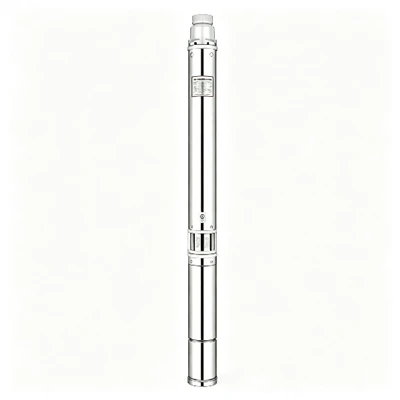
Let’s start with the biggest piece: stainless steel. That’s the heart of every deep well pump, because it’s resistant to corrosion from well water, lasts longer than cast iron or aluminum, and means less replacement waste over time. But getting that stainless steel starts with mining. Two key materials go into most stainless steel: iron ore and chromium, plus sometimes nickel to boost durability. Mining iron ore, especially open-pit mining, takes a toll on land. In places like Minnesota, where a lot of U.S. iron ore comes from, we’re talking about stripping topsoil—those layers that hold soil in place, support native plants, and filter water. When topsoil is removed, erosion spikes. Rain and wind carry loose dirt into nearby streams, clouding the water and smothering fish habitats. It’s not just land damage, either. Mining equipment runs on diesel fuel, so all that heavy machinery burns fossil fuels, releasing carbon dioxide and nitrogen oxides into the air. I’ve visited mining sites a couple times as part of our supplier audits, and the air there has a hazy, acrid tinge that makes it clear: extraction is where a big chunk of our pump’s carbon footprint begins.
Chromium mining is another piece of the puzzle. Most chromium comes from South Africa or Turkey, where open-pit chromite mines have been linked to water pollution. Chromium, in its hexavalent form, is a toxic heavy metal that can seep into groundwater if mine runoff isn’t properly contained. That’s a huge concern because groundwater is exactly what our pumps are designed to use. It feels like a circular problem: we’re mining a material to make a pump that protects groundwater, but the mining process risks contaminating that very resource. Nickel mining has similar issues, with deforestation in places like Indonesia to make way for nickel mines, wiping out habitats for species like orangutans and disrupting local ecosystems.
Once the raw materials are mined, they have to be processed into stainless steel. That means smelting iron ore in blast furnaces, which runs on coking coal—another fossil fuel. The steel industry is responsible for about 7% of global carbon dioxide emissions, according to the International Energy Agency, and stainless steel production is even more energy-intensive than regular carbon steel because of the extra steps to add chromium and nickel. I remember our production team telling me that melting stainless steel requires temperatures over 1,500 degrees Celsius—hot enough to take a lot of power. Most steel mills still rely on fossil fuels for that heat, so that’s another big emissions hit. There are ways to reduce this, though. Some newer mills use electric arc furnaces with recycled steel, which cuts emissions by up to 75% compared to virgin steel. That’s why we started partnering with steel suppliers that use recycled stainless steel for our pump components, as much as possible. It’s a small step, but it reduces the need for new mining and the associated emissions.
Next comes the manufacturing stage specific to deep well pumps. Our pumps are designed to sit hundreds of feet underground, so the parts have to be precise: impellers, shafts, housings, seals. Machining stainless steel is a different process than machining other metals. It’s tough, so it requires more energy from the cutting tools and machinery to shape it into the right parts. Also, when you machine metal, you produce scrap—small shavings, offcuts. The good news is that stainless steel is highly recyclable, so almost all of that scrap gets sent back to the steel mill to be melted down again. But it’s not zero waste. The machining process also uses cutting fluids—coolants that keep the tools from overheating and prevent the stainless steel from seizing. Many of these coolants are petroleum-based, and if they’re not disposed of or recycled properly, they can end up in local water systems, adding to pollution. We’ve worked with our assembly partners to switch to water-based cutting fluids that are less toxic, and we have a strict program to collect and reuse or recycle all machining fluids, which has cut that waste by about 60% over the last five years.
Then there’s the energy efficiency angle that our brand is built on, and how that balances out the manufacturing impact. A typical deep well pump that’s not energy-efficient runs on a lot of electricity, usually from the grid, which in most places still relies on fossil fuels. Our pumps are designed with variable speed drives and optimized impellers that use 30-50% less energy than standard pumps. That means over the 15-20 year lifespan of a pump, the total energy used to run it is way less than the energy used to manufacture it. It’s a life cycle balance that matters. I did a rough calculation a while back: the manufacturing of one of our mid-sized pumps might produce about 500 kg of CO2 emissions. But over its 18-year life, it would save a rural farm about 12,000 kg of CO2 compared to a standard pump—all from lower electricity use. That’s a net positive, but it doesn’t mean we can ignore the manufacturing part. We still need to keep working to bring those emissions down.
Packaging and shipping are two more environmental factors that are easy to overlook. When we ship a deep well pump, which is usually a 4-10 foot long vertical unit, we need packaging that protects it during transport. For years, we used foam and wood crates, but foam is not recyclable and wood can lead to deforestation if it’s not sustainably sourced. We switched to corrugated cardboard made from 100% recycled paper, and we work with shippers to consolidate orders so we’re not making unnecessary trips. Shipping also has its own emissions: transporting heavy pumps over long distances burns diesel. We’ve started sourcing components from suppliers within 500 miles of our assembly facility, where possible, to cut down on transportation fuel use. For parts that have to come from farther away, we work with shipping companies that use low-sulfur fuels or electric trucks, when available.
Another less talked about factor is water use in manufacturing. Making steel, machining pump parts, even cleaning the finished pumps—all of this requires water. Steel mills use thousands of gallons of water for cooling and processing, and if that water isn’t treated, it can be released back into natural systems with high temperatures or pollutants. Our assembly facility uses water to test pump performance (to make sure they work before they ship) and to clean parts. We installed a closed-loop water system a few years ago, which means we recycle almost 90% of that water. Instead of drawing fresh water from local wells or rivers every day, we treat the used water and reuse it for testing and cleaning. That’s been a big win for local water resources, especially in areas where water is scarce, like the Great Plains where many of our pumps go.
Waste at the end of the manufacturing line is something we take seriously, too. When a pump is finished, we have to make sure it’s tested for leaks and performance. If a pump fails a test, what do we do with it? In the past, we might have tried to fix it, but if the defect was in the stainless steel component, sometimes it wasn’t worth the effort. Now we have a team that assesses every failed pump: we reuse the good parts, recycle the stainless steel components, and only send the smallest amount of waste to landfills. We’ve also started a take-back program for old pumps that customers want to replace. When a customer buys a new energy-efficient pump from us, we offer to pick up their old pump for free, then we dismantle it, sort the materials, and recycle as much as possible—stainless steel, copper, plastic—so it doesn’t end up in a landfill.
I’ll be honest, it’s not all perfect. There are still areas we’re working on. For example, some of the steel we use is still from mills that rely on natural gas, and we’re pushing our suppliers to switch to more renewable energy for their operations. The mining of nickel and chromium still has big environmental impacts, so we’re investing in research into alternative materials that are less harmful, or at least sources that have better sustainability practices. We also know that the shipping emissions, even with local sourcing, can be reduced more by switching to electric trucks for our own delivery fleet, which we’re planning to do in the next two years.
The key takeaway here is that manufacturing energy-saving stainless deep well pumps isn’t just about building a product that uses less energy over its life—it’s about minimizing the environmental harm at every step, from raw material extraction to delivery. Too many pump manufacturers focus only on the operational cost, ignoring the footprint left from making the product. But as a supplier, I think it’s our responsibility to be transparent about those impacts, and to work every day to make them better.

For anyone who relies on a deep well pump—whether you’re a smallholder farmer, a rural homeowner, or a business that needs consistent groundwater—choosing an energy-efficient stainless pump is a big step for the environment. But when you choose a pump from a supplier that cares about the manufacturing process too, you’re getting a product that’s good for your wallet and good for the planet. If you’re interested in learning more about our pumps, or discussing bulk orders for your farm, community, or commercial project, we’d be happy to sit down and talk through how our products can meet your needs while aligning with your sustainability goals. We don’t do generic pitches—every project is different, and we work with customers to find the best solution for their specific water needs.
Smart Pump References:
- International Energy Agency. (2022). Steel Technology Roadmap: Towards Net-Zero Emissions. IEA Publications.
- United States Environmental Protection Agency. (2021). Steel Industry Environmental Profile. EPA Office of Compliance and Enforcement.
- World Health Organization. (2019). Chromium in Drinking-Water. WHO Press.
- Food and Agriculture Organization of the United Nations. (2020). Energy-Efficient Pumping for Agricultural Water Use. FAO Water Reports.
- European Steel Association. (2022). Recycling in the Steel Industry: Key Facts and Figures. EU Steel Publications.
Longbiao Pump Industry Co., Ltd.
We are one of the most professional energy saving stainless deep well pump manufacturers and suppliers in China, featured by quality products and low price. Please rest assured to buy discount energy saving stainless deep well pump for sale here from our factory. We also accept customized orders.
Address: Unit 101, Building 11, Pan’ao Entrepreneurship Park, Daxi Town, Wenling City, Taizhou City, Zhejiang Province, P.R. China
E-mail: 1653746797@qq.com
WebSite: https://www.cnlongbiao.com/
