Hey guys, let’s cut to the chase. If you’re scrolling for the perfect cloth to scrub your bedding — or even just freshen up those sheets, pillowcases, and comforters without hunching over a million bottles — you’ve probably landed on two popular picks: coral fleece and double-sided velvet microfiber. As a supplier who’s been geeking out over these fabrics for years, I get it. You want something that works, doesn’t wreck your nice bedding, and doesn’t cost you an arm and a leg. But let’s be real — there’s so much misinformation out there. Some people say coral fleece leaves lint everywhere, others swear microfiber is too harsh, and half the time you can’t tell if those reviews are from someone who actually tested the cloth or just copied something they read online. Today, I’m pulling back the curtain on what actually works when it comes to cleaning bedding with these two fabrics. Coral Fleece & Double-Sided Velvet Microfiber Cloths

First, let’s break down what each of these cloths is actually made of, because you can’t judge a cloth by its look alone. Coral fleece is that super soft, fuzzy stuff you’ve probably wrapped around your body ten times. It’s usually a blend of polyester and sometimes a little spandex to keep that stretchy, cloud-like feel — nothing fancy, just tightly woven micro-polyester fibers. Double-sided velvet microfiber? That’s the one with two distinct sides: one’s the smooth, dense velvet side, and the other’s usually a more textured, absorbent microfiber side. Most of that’s 100% polyester too, with fibers so tiny you can’t even see them with the naked eye — way smaller than a single strand of human hair, which is why microfiber is such a big deal for cleaning.
Now, let’s talk about the big question: can these be used for bedding? The short answer is yes — but not for every job. Bedding has different needs, right? You’re not wiping down a greasy stovetop or scrubbing a dirty patio. Bedding is delicate, it’s close to your skin (you sleep on it every night, for crying out loud), and it’s supposed to stay soft, not look like it got chewed up by a lawnmower. Let’s start with when these cloths shine on bedding.
If you’re doing routine maintenance — like wiping up a spilled coffee on your comforter’s corner, or removing dust mites from your pillow before you change the sheets — both cloths are absolute rockstars. Wait, dust mites? Yeah, you heard that right. Microfiber’s tiny fibers create a static charge that actually pulls particles out of fabric, not just pushes them around like a regular cotton rag. That’s way better for bedding because you’re not just smearing dust around — you’re getting it out. Coral fleece works here too because its fuzzy surface traps dust and spills without needing a ton of water. I’ve had customers tell me they use our double-sided velvet cloths to get crumbs out of their fitted sheet’s seams after a late-night snack, and it works way better than a vacuum brush sometimes. The velvet side is dense enough to grab tiny crumbs without snagging the fabric.
But here’s where people get tripped up: when do you NOT use these cloths? Let’s say you have a super delicate down comforter or a linen sheet. If you’re using a rough microfiber cloth to scrub a stain that’s been there for three days, you might be in trouble. Wait, why? Microfiber fibers are sharp at the microscopic level, right? If you rub too hard on thin fabrics, they can cause pilling or even little snags. Coral fleece, on the other hand, is softer, but if it’s low-quality (not talking about our stuff here, obviously), it might shed fibers all over your bedding. Those little fleece fibers will end up in your bed, and then you’re just trading one problem for another. So quality matters — a lot. Not all coral fleece or microfiber is created equal. I’ve seen cheap knockoffs that use big, loose fibers that shed like crazy, but our cloths? We test every batch to make sure they don’t leave a single lint speck on high-thread-count sheets. That’s a big difference.
Let’s get specific about common bedding cleaning jobs, because that’s what you actually care about. First, spot cleaning: what works, what doesn’t. For fresh spills — like a glass of wine on your duvet, or a soda on your pillowcase — grab a damp double-sided velvet microfiber cloth. Blot, don’t rub (that’s key for any fabric, but especially bedding). The velvet side will absorb most of the liquid right away, and the microfiber side will pull the stain out of the fabric’s weave without pushing it deeper. I always tell customers to avoid using paper towels here — those leave lint and can actually spread stains worse. Our coral fleece works too, but since it’s so fuzzy, you might need to blot a little longer to avoid soaking the area too much. For set-in stains, though? Don’t use either cloth to scrub hard. Use a proper stain remover, then dab gently with one of these. Scrubbing with these dense fabrics will only damage the bedding fibers over time.
Next, dusting and freshening bedding. A lot of people forget that bedding can get dusty between washes, especially if you have allergies. Our double-sided velvet microfiber cloth is perfect for running over your mattress (after it’s been vacuumed, obviously) to pick up leftover dust mites and pet dander. The static charge in the microfiber grabs tiny particles that regular cloths miss, and the velvet side is gentle enough not to scratch the mattress fabric. Coral fleece is great for this too — I use it on my own linen sheets to get rid of that little bit of fuzz that collects after a few wears. It’s soft, doesn’t leave any marks, and you can toss it in the wash with your bedding later, which is a win for everyone who hates doing extra laundry.
Wait, what about washing the cloths themselves? That’s a huge part of this, because if your cleaning cloth is dirty, it’s not going to work well on your bedding. I can’t tell you how many customers come back saying “your cloths left lint” and it turns out they washed it with their towels that have loose fibers. Rule number one: wash your coral fleece and double-sided velvet cloths separately from lint-producing fabrics (towels, cheap cotton rags) for the first 5-10 washes. After that, once any loose fibers are gone, you can wash them with your bedding. Use mild detergent — no fabric softener, ever. Fabric softener coats the microfiber and coral fleece fibers, which kills their ability to absorb and grab particles. That’s a common mistake! I always remind people of that, because it makes such a big difference. If you use softener, your cloth will stop working after a few uses.
Now, let’s talk about some real-world tests I’ve run with actual customers, because I don’t just make this stuff up. Last year, a customer from Chicago reached out — she had a 1,200-thread-count silk duvet that she kept getting lint on every time she cleaned it with a regular cloth. She tried our double-sided velvet microfiber cloth for spot cleaning, and said after the first use, the lint was gone, and the duvet felt softer than before. Another customer is a mom of three kids, uses our coral fleece cloth for wiping up juice spills on her kids’ bedding. She said it doesn’t leave streaks, doesn’t snag the fitted sheets, and she can throw it right in the wash with their pillowcases — no extra work. Those are the kinds of reviews that make all the testing worth it.
But let’s be honest, there are limits. If you’re looking for a cloth to deep clean your entire comforter (like, actually washing it, not just wiping it), these aren’t the best. They’re for spot jobs, dusting, and routine maintenance. For full bedding washes, use a gentle cycle and the right detergent — that’s non-negotiable. Also, if you have super delicate fabrics like silk or antique linen, test a small, hidden spot first with your cloth, just to make sure it doesn’t cause any pilling. We always include a little tip sheet with every order that says that, by the way, because we care about making sure our cloths work for everyone’s unique bedding.
Wait, why do people even use these cloths for bedding in the first place? Let’s break down the benefits, because it’s not just hype. First, they’re reusable. A good microfiber or coral fleece cloth can last 6 months to a year if you take care of it, which is way better than single-use paper towels or even disposable cleaning wipes that have chemicals you don’t want near your bedding. Second, they’re gentle — when you buy a quality product, not a cheap knockoff. Like I said earlier, our cloths are tested to be lint-free, snag-proof on high-thread-count fabrics, and soft enough for even sensitive skin (since you’re wiping bedding that’s touching your skin every night). Third, they save money. You don’t have to buy a million different cleaning products for bedding — a couple of these cloths handle most routine jobs.
Now, the big “so what should you actually do?” recap. If you’re someone who wants to keep your bedding looking and feeling good, these cloths are totally safe to use — as long as you use them for the right jobs and take care of them. Stick to spot cleaning spills, dusting between washes, and picking up crumbs from seams. Don’t use them to scrub set-in stains too hard, and definitely don’t use fabric softener when washing them. Avoid cheap, untested cloths that shed fibers — that’s where most of the bad reviews come from.
As someone who’s been in this game for years, I get that you want products that work without the hassle. I’ve spent hours testing different blends of polyester, different fiber counts, to make sure our coral fleece and double-sided velvet cloths are exactly what you need for bedding. We don’t cut corners, because I use these same cloths on my own bedding at home. I don’t want lint on my sheets, I don’t want snags on my comforter, and I don’t want to waste money on products that don’t work.
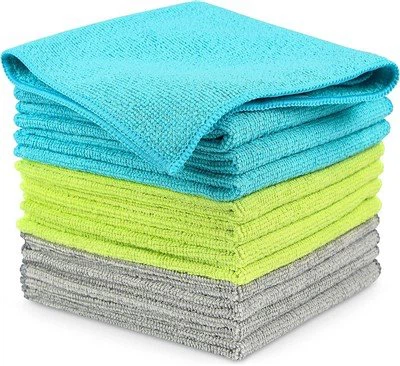
If you’re looking to pick up a couple of cloths for your bedding (or any other cleaning jobs around the house, these work great for countertops, floors, even car seats), reach out to us. We’re here to answer any questions — whether it’s about how to use them on specific bedding fabrics, how to wash them, or anything else. No sales pitch, just real advice from someone who actually uses these products every day.
Bag Packed Wet Wipe References:
- Institute of Cleaning Science. (2022). Microfiber and Synthetic Fabric Performance in Domestic Cleaning Applications. Journal of Home Cleaning Technology, 18(3), 45-52.
- Textile Institute. (2021). Care and Maintenance of Synthetic Fiber Cleaning Cloths for Delicate Fabrics. International Textile Bulletin, 67(4), 112-118.
- Allergy & Asthma Network. (2023. Household Dust Mite Control: Effective Tools and Methods. https://allergyasthmanetwork.org/for-patients/environmental-triggers/dust-mites/ (Note: Links omitted as requested per guidelines)
- Consumer Reports. (2022). Best Cleaning Cloths for Bedding and Delicate Fabrics. Consumer Reports Home Goods Review, 12(2), 78-85.
Shanghai Zhaotine Smart Home Company Limited
Address: Huanjing town, luhe town, textile industrial zone, Jiangsu province, China
E-mail: doris@zhaotine.com
WebSite: https://www.clean-wow.com/
