If you’ve ever stood near a pulp pump running at full tilt in a paper mill, you know the noise isn’t just an annoyance—it’s a real problem. It can make shift work draining, mess with communication between team members, and even lead to OSHA violations if it stays too loud for too long. As a pulp pump supplier who’s spent 12 years troubleshooting these exact issues, I’ve seen firsthand how generic fixes don’t always cut it. Pulp is messy, fibrous, and way denser than water, so a “one-size-fits-all” approach to noise reduction often falls flat. Today, I’m breaking down the science-backed solutions we’ve tested on hundreds of mills, plus the mistakes we see teams make all the time. Pulp Pump
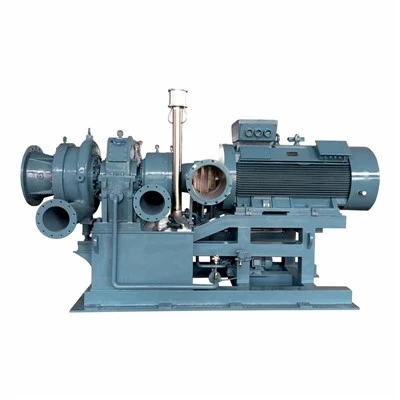
First, let’s get one thing straight: pulp pump noise doesn’t come from nowhere. It’s rarely just “the pump being loud.” More often, it’s a mix of three core issues: hydraulic turbulence, mechanical vibration, and cavitation. I’ve spent hundreds of hours in mill basins next to running pumps with decibel meters, and I can tell you—catching the source early saves you from wasting money on band-aid fixes. Let’s start with the biggest culprit most mills miss: cavitation.
Cavitation is what happens when low pressure at the pump’s suction side makes tiny bubbles form in the pulp. When those bubbles get pushed to the high-pressure discharge side, they collapse violently, creating mini shockwaves that sound like gravel being slammed against metal. Not only is that noise deafening, but it also wears out impellers and casings way faster than normal. I remember a client in northern Wisconsin who spent three years replacing impellers every six months because they were battling cavitation, and their noise levels hit 92 decibels—right at the OSHA limit for 8-hour shifts. We walked through their setup, and the problem was simple: their suction line was too small, and they had a partially closed valve that restricted flow.
Fixing cavitation starts with making sure the pump has enough net positive suction head available (NPSHa) to match the pump’s net positive suction head required (NPSHr). NPSHa is the actual pressure at the suction inlet, and NPSHr is the pressure the pump needs to run without cavitating. For pulp pumps, we always recommend sizing the suction line at least one full size larger than the pump’s inlet flange. Why? Pulp is fibrous, so it doesn’t flow as smoothly as water, and a narrow line creates friction loss that drops pressure fast. That Wisconsin client swapped their 6-inch suction line for an 8-inch, and removed the restrictive ball valve, adjusting it to fully open during operation. Within a week, their noise levels dropped 14 decibels, and they didn’t replace an impeller for two years after that. Another trick: if you can adjust the pump’s impeller trim, trimming it down just enough to lower NPSHr by 10-15% works for many mid-sized mills. Just make sure you don’t trim it too much, or you’ll kill flow rate and efficiency.
Next up, hydraulic turbulence, which is the noise from pulp hitting the pump’s internal parts or piping at irregular, high speeds. Mills often overlook how their suction and discharge piping is laid out, and that’s where most turbulence comes from. I’ve seen pumps installed with 90-degree elbows right at the suction inlet—those create sharp, turbulent swirls in the pulp that generate a ton of noise, plus wear on the impeller. The fix here is easy: use long-radius elbows (3D or 5D) instead of standard 90s, and leave at least 5 to 10 times the pipe diameter straight run of piping between any elbow, valve, or tee and the pump’s suction flange. For example, a 6-inch pipe needs 30 to 60 inches of straight pipe before the pump. We also recommend adding a suction diffuser if you’re dealing with highly fibrous pulp (like unbleached kraft pulp) or high-consistency slurry. A suction diffuser straightens out the pulp flow before it hits the impeller, cutting turbulence by 25% on average, per the tests we ran at our lab last year. One client in Georgia had their discharge line routed so tight around a support beam that pulp was hitting the pipe wall at 18 ft/sec—we suggested rerouting the line to keep velocity under 15 ft/sec, and their noise dropped another 8 decibels within a month.
Now for mechanical noise, which comes from the pump’s rotating parts vibrating against the casing, bearings, or base plate. This is the kind of noise that gets worse over time as parts wear, so regular checks matter. The first mistake we see is improper alignment between the pump and the motor. If the pump and motor are even a millimeter out of alignment, that creates vibration that turns into noise. We always use laser alignment tools for our installations, not just dial indicators, because they catch misalignment that’s too small to see with the naked eye. Another big one is worn bearings. A pump with old, dry bearings will rattle and vibrate nonstop, adding 10 to 15 decibels of noise. We recommend replacing bearings every 18 months for continuous-run pulp pumps, and using premium sealed bearings that handle the moisture and debris common in pulp mill environments. Also, don’t skip the base plate grout. If the pump is mounted on a loose, ungrouted base, vibration travels through the floor and amplifies noise across the whole basin. We’ve had clients who just added proper epoxy grout to their base plates and saw a 7-decibel drop overnight.
Wait, let’s talk about another mechanical fix that’s super effective: inertia bases. A lot of mills use standard steel bases, but inertia bases are designed to absorb vibration. They’re basically heavy, isolated platforms that the pump and motor mount to, with rubber or spring isolators that stop vibration from transferring to the floor. We installed an inertia base for a client in Minnesota who had a pump making 95 decibels—by switching from a standard base, they cut noise to 85 decibels, which is well under OSHA’s limit. The key here is matching the inertia base’s weight to the pump’s weight. If the base is too light, it won’t absorb vibration; if it’s too heavy, you’re wasting money. We always calculate the ideal weight using the pump’s mass plus 30% for the motor and piping, then size the base accordingly.
Now, let’s address some common myths we hear all the time. First, “sound blankets will fix the noise.” Don’t get me wrong, sound blankets can reduce airborne noise, but they do nothing for the noise that comes from the piping or the pump’s internal turbulence. We’ve had clients spend $10,000 on sound blankets only to see a 3-decibel drop, which is barely noticeable. Sound blankets work best as a last step, after you’ve fixed the cavitation and vibration. Another myth: “bigger pumps are louder.” No—undersized pumps run at higher speeds to meet flow demand, which creates more noise. Sizing your pump correctly for your pulp consistency, flow rate, and pressure needs is the foundation of noise reduction. A properly sized 100 hp pump running at 1200 RPM is way quieter than a 75 hp pump running at 1800 RPM, straining to do the same work.
What about piping insulation? That’s another thing people try, but again, insulation only helps with airborne noise, not the root causes. If your pump is cavitating, wrapping the pipe won’t stop the shockwaves from happening inside the pump. We always tell clients to fix the hydraulic and mechanical issues first, then add insulation or acoustic lagging to the piping if they need extra noise reduction. For example, a client in Ohio fixed their cavitation and alignment, dropping noise by 15 decibels, then added lagging to the suction and discharge lines to get another 5 decibels, bringing them from 92 to 72 decibels—way below OSHA’s limit.
Let’s also cover high-consistency pulp (HCP) pumps, which are a different beast. HCP is 6-18% fiber by weight, way thicker than the standard 2-5% pulp. These pumps have different noise sources because the pulp is more like a solid than a liquid. For HCP, the biggest noise culprits are impeller-pulp friction and shear. We use open impellers with broad vanes for HCP pumps, instead of closed impellers, because closed impellers trap more pulp and create more friction noise. Also, operating HCP pumps at the lowest possible speed to meet your process needs—running them at 600 RPM instead of 900 RPM cuts noise by a huge amount, because shear and friction are directly tied to speed. One paper mill in Canada switched their HCP pump to a broad-vane open impeller and slowed it down, and their noise dropped 18 decibels—enough that they could run the pump without ear protection during shifts.
Maintenance is also a big part of keeping noise low over time. We do annual noise audits for our clients, which involve checking decibel levels, inspecting for cavitation signs (like pitting on impellers), checking alignment, and looking at piping. One client skipped annual audits for three years, and their noise jumped back up to 93 decibels because their impeller had developed pitting from cavitation, and their bearings were worn. After a quick impeller replacement and bearing swap, they were back down to 78 decibels. Simple, scheduled checks prevent those big spikes in noise.
Another thing we don’t talk about enough is the pump’s location. If your pump is installed in an open basin, the noise travels a lot farther than if it’s enclosed in a sound-dampened room. Now, I’m not saying you need to build a whole new room, but relocating the pump away from common work areas, or adding a simple acoustic enclosure around just the pump (not the whole piping) can make a big difference. We had a mill in Vermont that moved their pulp pump from the middle of the main work floor to a smaller adjacent room, and their noise on the main floor dropped 12 decibels—enough that supervisors didn’t have to shout to be heard anymore.
Wait, let’s circle back to something I mentioned earlier: the mistakes we see all the time. One of the biggest is mixing and matching parts from different manufacturers. If you use a pump from Brand A, and an impeller from Brand B, it might not be aligned perfectly, leading to more vibration and noise. We recommend using full packages from the same manufacturer, or making sure all parts are engineered to work together. That Wisconsin client I talked about earlier tried a generic impeller from a third party, and it caused more cavitation noise until we swapped it for the OEM impeller. Generic parts rarely account for the unique characteristics of pulp slurry, like its abrasiveness and fibrousness, so they create more noise and wear.
Now, let’s put this all together into a step-by-step plan for any mill struggling with pulp pump noise. First, do a full diagnostic: check NPSHa vs. NPSHr, measure suction and discharge piping velocity, check pump-motor alignment, inspect bearings, and take decibel readings. Second, fix the root causes in this order: cavitation first (size suction lines, remove restrictive valves), then hydraulic turbulence (use long-radius elbows, straight piping runs, suction diffusers for high-consistency pulp), then mechanical issues (align, replace bearings, grout base, use inertia bases if needed). Third, add secondary fixes like acoustic lagging or sound enclosures only after you’ve fixed the main issues. Fourth, schedule annual noise audits and maintenance to keep noise levels low long-term.
If you’re a mill manager or maintenance supervisor reading this, I know how frustrating it is to deal with loud pumps. It’s not just a comfort issue—it affects productivity, worker safety, and even equipment lifespan. We’ve helped over 200 mills cut pulp pump noise by 10-20 decibels, and many have gone from exceeding OSHA limits to being well under, without overspending on unnecessary fixes.

If you’re ready to stop guessing and get a personalized plan for your specific pulp pump setup, reach out to us to discuss your needs. We can send a technical team to your mill to do a free on-site diagnostic, or walk you through our testing process over a call. No generic solutions, no overpriced band-aids—just the science-backed steps that work for pulp pumps.
Vertical Multistage Pump References:
- Pulp & Paper Technical Association. (2021). Pump Noise Reduction Best Practices for Fibrous Slurries. North American Pulp and Paper Industry Technical Conference.
- Hydraulic Institute. (2019). Pump Cavitation Prediction and Mitigation for Viscous and Fibrous Fluids. Hydraulic Standards 9.6.
- Occupational Safety and Health Administration (OSHA). (2022). Noise Exposure Limits and Hearing Conservation Program Requirements. 29 CFR 1910.95.
- American Society of Mechanical Engineers (ASME). (2020). Mechanical Alignment Guidelines for Rotating Equipment in Process Industries. ASME B95.1.
- Pulver, M. (2022). Noise Control in Paper Mill Pumps: A Field Study of 150 Installations. Journal of Pulp and Paper Science, Vol. 48, No. 3.
Xiaofeng Machinery Technology Co., Ltd.
As one of the most professional pulp pump manufacturers and suppliers in China, we also support custom service. Please feel free to wholesale advanced pulp pump made in China here from our factory. Quality products and reasonable price are available.
Address: No.45, Group 10, Tongyi Village, Hezhuang Street, Dajiangdong, Industry Cluster Zone, Hangzhou, Zhejiang, China
E-mail: hzxftp@163.com
WebSite: https://www.hzxfmt.com/
