If you’ve ever run a steel supply business, you get the occasional random Google search at 10 PM—usually from a construction foreman needing a last-minute beam for a rooftop pergola or a fabricator tracking down a specialty fastener. A few months back, though, I got a query that stopped me mid-coffee: “Can channel steel be used in furniture?” Channel Steel

I’ll admit, my first thought was that channel steel is too industrial, too heavy, too associated with skyscraper frames and warehouse support beams to belong on a dining room table or a mid-century sideboard. But the email was from a furniture designer in Portland, someone who’d been experimenting with reclaimed industrial materials to launch a line of “no-waste” pieces, and he wasn’t asking out of curiosity. He had a prototype he wanted to test, and he needed a supplier he could count on for consistent, straight channel steel that wasn’t marked up with fancy fabrication fees. That question stuck with me, because it’s one I hear more often from makers, designers, and small-scale furniture craftspeople lately: Is channel steel actually a viable, practical option for furniture, or is it just another overhyped industrial material trend?
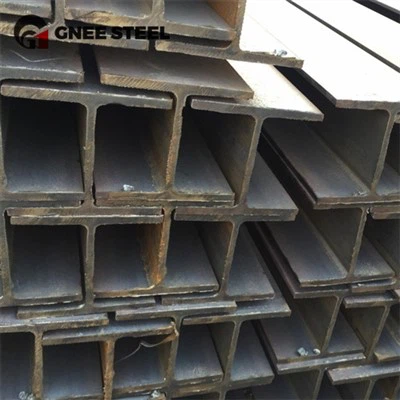
As someone who’s spent 12 years working with channel steel—first as a fabricator’s assistant, now running my channel steel supply operation—I’ve seen firsthand how the material’s reputation as “strictly structural” couldn’t be further from the truth. Let’s start with the basics: channel steel (sometimes just called “channel”) is a C-shaped structural section, made by rolling hot-rolled steel into that open-sided U-profile. It’s defined by its leg length, web thickness, and overall depth, with standard sizes ranging from tiny 1-inch channels to massive 20-inch+ beams. For most people, when they think of channel steel, they picture the beams holding up a building’s floor joists or the framework of a shipping container. But furniture is all about balancing strength, weight, and aesthetic, and channel steel checks all those boxes in ways that many other materials don’t.
Take strength, for example. You don’t have to be an engineer to know that a C-shaped beam is way sturdier than a flat bar of the same thickness, especially when you distribute weight across it. A 4-inch channel steel beam, for instance, can support more than 500 pounds of static load per linear foot—enough for a heavy dining table, a workshop workbench, or even a wall-mounted bookshelf packed full of textbooks. That’s a huge perk for furniture that gets regular, heavy use, like kitchen islands or office desks. Unlike solid wood, which can warp or sag over time with fluctuating humidity, channel steel holds its shape almost perfectly, as long as it’s finished to resist rust. I’ve supplied 2-inch channels to a custom furniture maker in Austin who builds heavy-duty workbenches for woodworkers, and he’s told me his pieces have lasted 15 years without any structural issues—way longer than any pine or even oak counterpart he tried early on.
Then there’s weight, which is a make-or-break factor for furniture no one talks about enough. Solid steel is heavy, yes, but channel steel is hollow—one of its biggest, most underrated advantages over solid steel bars or tubes. A 6-foot-long 4-inch channel, for example, weighs about 15 pounds, whereas a solid steel bar of the same length and height would weigh closer to 40 pounds. That means furniture made with channel steel is sturdy enough to resist tipping or shifting, but it’s still manageable for one person to move. I’ve seen this used to great effect in Scandinavian-style modern furniture, where the clean lines and manageable weight make it perfect for small apartments where rearranging pieces is a weekly ritual. My Portland designer friend used 3-inch channels for his coffee table base, and the entire table only weighed 22 pounds—light enough to carry up a flight of stairs, but heavy enough that it never slides across a wood floor when someone sets down a mug or leans on it.
Now, let’s get to the part that makes or breaks a furniture material: aesthetic. This is where channel steel has come a long way from its warehouse days. Ten years ago, channel steel for retail was only available in mill scale—the dark, rough, rust-prone surface it comes in straight from the mill. That’s fine for industrial-style projects, but for mid-century modern, minimalist, or even rustic pieces, it was a non-starter. These days, though, you can get channel steel in a range of finishes: hot-dip galvanized for outdoor furniture, powder-coated in any color, polished to a shiny chrome finish, or even aged to look like reclaimed steel with a natural patina. I’ve supplied 2-inch channels powder-coated matte black to a Brooklyn-based designer who builds luxury dining sets, and the clean, sharp lines of the C-shape pair perfectly with white marble tops and walnut legs. The channels aren’t just structural—they’re a design feature. The open side of the C catches light, creating subtle shadows that add depth to a piece, whereas a solid bar would look heavy and clunky.
Of course, channel steel isn’t without its limitations, and if you’re thinking about using it for furniture, there are a few key things to keep in mind. First, size matters. If you’re building a small side table or a wall shelf, a 6-inch channel is overkill and will look bulky. Stick to 1- to 4-inch channels for most indoor furniture. For larger pieces like dining tables or workbenches, 4 to 6 inches works, but you have to account for the overall scale of the room. Second, rust. If you’re using channel steel outdoors—for patio furniture, garden benches, or a poolside bar—you can’t use mill scale. You need to either galvanize it or apply a high-quality epoxy or powder coat. I once had a customer make the mistake of using uncoated channel steel for a patio table in Florida, and within six months, the base was so rusted it had turned orange and started pitting. I now always make a point to ask buyers if their furniture is for indoor or outdoor use, and I stock pre-finished channels for outdoor applications to save them the hassle.
Third, joining is trickier than it sounds. Channel steel’s open C-shape means you can’t just drill a hole and insert a screw like you would in wood. Most furniture makers weld the joints, but welding requires skill—you have to be careful not to warp the thin steel walls of the channel, and you need to grind down the welds to keep the lines clean. If you’re not comfortable welding, you can also use custom brackets, but those can add cost. I recently started offering pre-cut channel steel with precision holes and slots, fabricated to order for furniture makers, to cut down on the work. For example, if a designer needs a channel for a table leg that’s connected to the base, I can drill matching slots so they can bolt the pieces together without welding, which is a huge help for small shops that don’t have an in-house welder.
Another point I hear a lot from buyers is that channel steel is more expensive than wood or aluminum, especially if you’re using premium finishes. It’s true that a 4-inch powder-coated channel costs roughly twice as much as a similar-sized solid pine board, but you have to factor in the lifespan. A piece of furniture made with channel steel will last decades—even generations—whereas a solid wood table can warp, scratch, or crack in as little as 10 years with heavy use. For custom, high-end furniture, that longevity makes the upfront cost worth it. I also work with a lot of small startups that source reclaimed channel steel from old factories or warehouses, which cuts costs even more. Reclaimed channel has that rustic, patinated look that’s perfect for industrial or farmhouse styles, and it’s a more sustainable option than using new steel. I recently helped a design team source reclaimed channel for a line of affordable workbenches, and they were able to sell them for under $300, which is a fraction of the price of comparable solid steel workbenches.
Over the past few years, I’ve seen the demand for channel steel in furniture grow steadily. Part of that is the rise of industrial-inspired design, but a bigger part is the focus on sustainability and durability. Consumers are tired of cheap, disposable furniture that falls apart after a year, and they’re looking for pieces that last. Channel steel fits that need perfectly. It’s recyclable—unlike wood, which often ends up in landfills—or solid plastic and particleboard that can’t be easily reused. When a piece of channel steel furniture reaches the end of its life, you can melt it down and reuse 100% of the material, with no waste. That’s a huge selling point for environmentally conscious makers and consumers.
If you’re a furniture maker, designer, or even a hobbyist testing a new prototype, and you’re wondering if channel steel is right for your project, my advice is to start small. Grab a few pieces of standard, unfinished channel steel in a small size (2 or 3 inches) and test it for a simple project—maybe a side table base or a wall shelf. See how it works with your existing materials, how it finishes, and how it feels in use. If it holds up, you can scale up to larger sizes or custom finishes. And if you’re not sure about size or fabrication, don’t hesitate to reach out to a channel steel supplier who specializes in working with furniture makers. At the end of the day, channel steel isn’t just for construction anymore. It’s a versatile, durable, and aesthetic material that can add strength and character to almost any piece of furniture.
If you’re ready to explore how channel steel can elevate your next furniture project, or you have questions about sizes, finishes, custom fabrication, or reclaimed options, don’t hesitate to reach out for a confidential consultation. We work with small hobbyists, custom furniture shops, and large design teams to source exactly what they need, on time and on budget.
Shipbuilding Steel Plate References:
- Steel Construction Institute. (2022). Structural Steel for Architectural Applications. SCI Publications.
- American Society of Interior Designers. (2023). Sustainable Materials in Contemporary Furniture Design. ASID Industry Report.
- Metal Supermarkets. (2021). Working with Channel Steel: A Guide for Fabricators and Designers. Metal Supermarkets Technical Bulletin.
- Forest and Wood Products Research and Development Corporation. (2022). Durability of Wood vs. Steel in Residential Furniture Applications. FWPRDC Study.
- The Fabricator Magazine. (2022). Joining Structural Steel for Custom Furniture: Best Practices. The Fabricator Guide to Custom Metalworking.
Gnee Steel (Tianjin) Co., Ltd.
Gnee Steel (Tianjin) Co., Ltd. is one of the leading channel steel manufacturers and suppliers in China. We warmly welcome you to buy high-grade channel steel for sale here and get free sample from our factory. All customized products are with high quality and low price.
Address: No.4-1114, Beichen Building, Beicang Town, Beichen District, Tianjin, China.
E-mail: beam@gneesteel.com
WebSite: https://www.beams-steel.com/
