Hey everyone, if you’ve ever stood next to a sanding machine in a woodworking shop or a metal fabrication space, you’ve probably wondered: what even is “sanding force,” and why does it matter so much? As someone who’s been selling sanding machines for over a decade, I get it—most folks I talk to (whether they’re small business owners or lead engineers at big factories) fixate on speed, belt material, or price first. But sanding force is the quiet superpower that makes a good machine work, and a bad one… well, it makes your projects a mess, wastes materials, and drives you crazy. Today, I’m breaking this down like I would over a coffee with a regular customer—no jargon, just real talk about what sanding force actually is, how it works, and why it should be the next thing you check when you’re shopping for a sanding machine. Sanding Machine
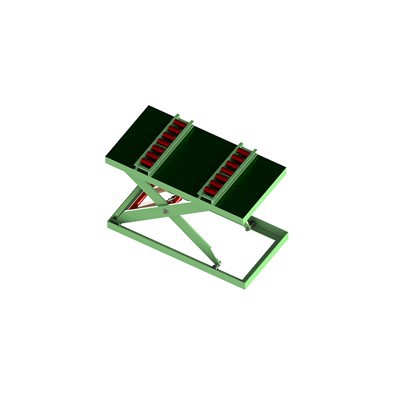
First, let’s keep it super simple. Sanding force isn’t some mysterious physics term you need a PhD to get. It’s basically the amount of pressure the sanding belt (or disc, depending on the machine) applies to the workpiece as it moves, right? Wait, no—hold up, it’s more than just pressure. It’s a combination of two key things: how much the machine is pushing the abrasive material against the surface, plus the friction generated between that abrasive, the workpiece, and the air as it spins. If you get that balance wrong, you’re either not sanding enough to get a smooth finish (wasting time, having to resand) or you’re pressing too hard (chewing through your sanding belts, burning the workpiece, or even warping thin materials like plywood).
I see this all the time with new customers who come to me frustrated because their old machine was “too weak” or “too strong.” Let’s take an example: a guy who makes custom kitchen cabinets—he was using a cheap wide belt sander to sand cabinet doors, and every time he ran a door through, the edges got wavy. Turns out, the machine’s sanding force was uneven—one side of the belt was pressing harder than the other, so it took off way more wood there, leaving him with gaps when he fit the doors to the frames. Another example: a metal fabricator who sanded stainless steel parts for a brewery’s beer taps—he was using a machine with way too much force, and it burned the steel, leaving permanent discoloration he had to buff out for hours. That’s the kind of stuff that kills productivity, and it all comes back to sanding force.
Now, how is sanding force measured, anyway? You don’t need a fancy lab setup to get a rough idea, but the professionals have specific terms for it. Most sanding machines (especially the industrial ones we supply) measure sanding force in Newtons, or sometimes in pounds-force (lbf) for folks in the States. But here’s the thing—it’s not a one-size-fits-all number. A machine that works great for solid oak cabinets will be way too weak and slow for sanding thick steel plates, and way too strong for sanding thin acrylic signs that could bend under pressure. That’s why we design our machines with adjustable sanding force settings—something a lot of budget brands skip, because it adds a little cost, but it’s worth every penny.
Wait, let’s get into the basics of how sanding force gets generated, because that’s where people get confused. When a sanding machine is running, two main forces are at play here. First, the downward force: that’s the pressure the machine’s platen (the flat part under the sanding belt) or contact wheel (the round part) exerts on the workpiece. That’s the part you adjust when you crank a knob to make the belt press harder or softer. Second, the tangential force: that’s the force from the sanding belt spinning, pulling and cutting into the material. If your belt’s moving too slow, the tangential force is low, so you have to crank up the downward force to get the job done—but that wears out belts fast and damages materials. If your belt’s moving too fast, you can have a lower downward force, because the spinning belt is already cutting more, which is better for finishes and less wear on belts. That balance between downward and tangential force is the sweet spot, and that’s where a good sanding machine shines.
I remember a customer who runs a small workshop making wooden toys—she was using a used old sander she picked up at a garage sale, and it never got her edges smooth enough without leaving scratch marks. She came to us, and when we tested a mid-range wide belt sander, the first thing we checked was the sanding force adjustment. Her old machine only had three settings: low, medium, high—no fine-tuning. Our machine lets you adjust the sanding force in small increments, down to half a pound-force. We set it just right for the thin birch plywood she uses, and she texted me an hour later saying she cut her sanding time in half, and the finished edges didn’t have a single scratch. That’s the real difference sanding force makes for small business owners—less time fixing mistakes, more time making product.
Another thing a lot of people don’t talk about: how sanding force interacts with the abrasive material itself. If you’re using a very coarse sanding belt (like 24 grit for removing a lot of material fast), you need a higher sanding force, because those big abrasive grains need pressure to dig into the surface. If you’re using a fine belt (like 220 grit for a smooth finish), you need a lower sanding force—too much here will make the grains dig too deep, leaving deep scratches that you have to sand all over again. It’s a cycle, right? Abrasive grit size, machine speed, and sanding force all have to line up. A lot of cheap machines can’t adjust that dynamic properly, so they only work with one type of belt and one material.
Now, let’s get into the mistakes people make with sanding force. The biggest one is assuming more force equals faster sanding. Nope—if you apply too much force, you create what’s called “subsurface damage” in wood, metal, or plastic. For wood, that means the fibers get crushed, so when you finish it with stain, it absorbs unevenly and looks splotchy. For metal, too much force causes micro-cracks that can lead to part failure later, which is a huge safety issue for automotive or aerospace parts. For thin materials like acrylic, too much force will bend or break the part before you’re even done sanding.
I’ve also seen people ignore the consistency of sanding force. Even if your machine has adjustable settings, if the force is uneven across the width of the belt, you’re going to get uneven results. That’s why all our sanding machines have calibrated platens and contact wheels—we machine them to within thousandths of an inch, so the sanding force is the same from edge to edge. No more wavy cabinet doors or uneven metal parts. That’s one of the things our customers comment on the most—they don’t have to go back and fix half the parts now, because the sanding is uniform.
Wait, let’s touch on how different types of sanding machines use sanding force differently, because that’s important if you’re shopping for a specific type. Belt sanders (whether wide belt for large panels or handheld for small projects) use mostly that downward and tangential force we talked about. Disc sanders, though, have sanding force that’s also radial—so it’s pushing outward from the center of the disc. That means disc sanders can cause “edge breakage” on small parts if the force isn’t adjusted right, because the outer edge of the disc has more tangential force than the center. We adjust our disc sanders to have uniform radial force, so you don’t get that problem. Then there are orbital sanders, which use a random rotating motion—their sanding force is more even across the pad, but it’s lower overall, so they’re better for finishing work, not heavy material removal.
If you’re in the market for a new sanding machine, here’s my takeaway advice: don’t just look at horsepower or belt speed. Ask about the adjustable sanding force settings, how uniform the force is across the working surface, and if it works with multiple grits and materials. If a sales rep tries to tell you “all sanders have the same force,” run—because that’s just not true. The best sanding machines let you fine-tune the force to match your exact project, not just one size fits all.
I’ll be honest, I’ve been doing this long enough that I can tell a good sanding machine just by running my hand over a test piece. The parts that come off our machines have that consistent, smooth finish no matter the material, and that’s all because of how we control the sanding force. We don’t cut corners on the calibration of our platens and contact wheels, and we make sure every machine has that fine-tune force adjustment—because we’ve seen how it changes a business. A guy with a small woodworking shop can grow because he can turn around projects faster without fixing mistakes, a metal fabricator can take on more precision jobs, a sign maker can do acrylic work without breaking expensive material.
If you’re tired of wasting time and money on sanding machines that don’t get the force right, or if you’re curious to test how our machines handle your specific projects, reach out. We don’t do pushy sales stuff—we’ll sit down with you, ask what kind of material you work with, what finish you need, and help you figure out which machine will work best for you, no matter your budget. We’d even send you a test sample if you want to see the difference our sanding force makes firsthand.
Wait, let me make sure I didn’t miss anything that would make this too technical or too vague. The whole point is that sanding force isn’t just a number—it’s the balance that makes your work good, saves you time, and keeps your materials intact. Too many people overlook it when buying a sanding machine, but it’s the core of how well the machine performs. Yeah, horsepower matters for heavy material removal, belt speed matters for finish, but sanding force is the middleman that makes those two work together.
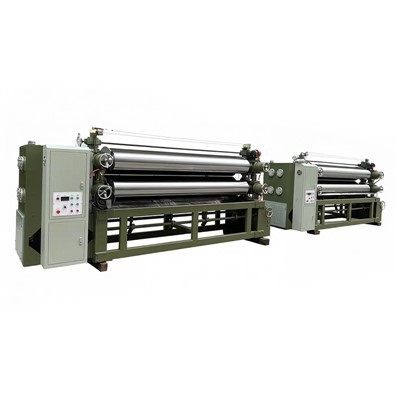
At the end of the day, we build sanding machines because we know how frustrating bad sanding can be. We’ve been there—working late nights, redoing parts, losing money because a machine couldn’t get the force right. So we designed our machines to fix that, putting sanding force front and center, not as an afterthought. If you’re ready to upgrade or just want to chat about what you’re working on, hit us up—we’re here to help, no hard sell, just real advice from people who’ve been in the same workshops as you.
Double Moving Plate Cold Press References:
- Woodworking Machinery Manufacturing Association. (2021). Fundamentals of Industrial Sanding: Force Calibration and Material Compatibility. Northwood Press.
- Society of Manufacturing Engineers. (2019). Surface Finishing for Metal Fabrication: Controlling Abrasive Contact Force to Reduce Subsurface Damage. SME Publications.
- International Organization for Standardization. (2020). ISO 16088:2020 – Woodworking Machines – Sanding Machines – Safety Requirements and Testing Methods. ISO.
Jiashan Changle Machinery Manufacturing Co., Ltd.
We’re well-known as one of the leading sanding machine manufacturers and suppliers in China, also support customized service. Please feel free to buy advanced sanding machine for sale here from our factory. Quality products and punctual delivery are available.
Address: Building 12, Zone A, Wanyang Innovation City, No. 23 Yucao South Road, Ganyao Town, Jiashan County, Jiaxing City, Zhejiang Province
E-mail: Changle84615620@163.com
WebSite: https://www.changlejx.com/
