As a supplier of stainless steel farmhouse sinks, I’ve witnessed firsthand the growing popularity of these sinks in modern kitchens. One of the most common questions I receive from customers is about the impact resistance of stainless steel farmhouse sinks. In this blog post, I’ll delve into the factors that contribute to their impact resistance, compare them with other sink materials, and provide real – world examples to help you understand why they are a great choice for your kitchen. Stainless Steel Farmhouse Sinks

Understanding Impact Resistance
Impact resistance refers to a material’s ability to withstand physical blows or forces without getting damaged. For a kitchen sink, this is a crucial property as it is constantly exposed to various impacts, such as dropping heavy pots and pans, utensils, or even accidentally hitting it with hard objects during daily use.
Factors Affecting the Impact Resistance of Stainless Steel Farmhouse Sinks
1. Stainless Steel Grade
The grade of stainless steel used in the sink plays a significant role in its impact resistance. Different grades of stainless steel have different compositions and properties. Commonly, sinks are made from 304 or 316 stainless steel.
304 stainless steel is a popular choice due to its excellent corrosion resistance and relatively good strength. It contains 18 – 20% chromium and 8 – 10.5% nickel, which gives it a balanced combination of durability and affordability. The chromium forms a thin layer of oxide on the surface, protecting the steel from rust and corrosion. This steel grade can resist impacts from normal household items, such as pots and pans, quite well.
316 stainless steel, on the other hand, is even more resistant to corrosion, especially in environments where there is exposure to salt or acidic substances. It contains molybdenum, which enhances its corrosion – resistant properties. In terms of impact resistance, 316 stainless steel is also very strong, often used in more demanding applications. Although it is more expensive than 304 stainless steel, it provides an extra level of durability, making it suitable for high – traffic kitchens or areas with a higher risk of impact.
2. Thickness of the Steel
The thickness of the stainless steel sheet used to make the sink is another important factor. Stainless steel farmhouse sinks typically come in different thicknesses, usually measured in gauge. The lower the gauge number, the thicker the steel.
For example, a 16 – gauge sink is thicker than an 18 – gauge sink. A thicker sink is generally more impact – resistant because it has more mass to absorb the energy of an impact. A 16 – gauge stainless steel farmhouse sink can better withstand heavy impacts from large pots and pans without denting or cracking. However, it’s important to note that a thicker sink may also be heavier and more expensive.
3. Manufacturing Process
The way the sink is manufactured can also affect its impact resistance. High – quality sinks are often formed using a process called deep – drawing. This involves pressing a flat sheet of stainless steel into a mold to create the shape of the sink. A well – executed deep – drawing process ensures that the steel is evenly distributed throughout the sink, avoiding weak spots that could be prone to damage.
Some sinks also undergo additional treatments, such as heat – treating or annealing, which can improve their strength and impact resistance. Heat – treating can modify the internal structure of the steel, making it more ductile and less likely to crack under impact.
Comparison with Other Sink Materials
1. Granite Composite Sinks
Granite composite sinks are made from a mixture of crushed granite and resin. They are known for their scratch – resistance and attractive appearance. However, when it comes to impact resistance, stainless steel farmhouse sinks have an edge. Granite composite sinks can crack if a heavy object is dropped on them at a certain angle or with a significant force. The resin in the composite material may not be as forgiving as the malleable stainless steel, which can deform slightly under impact rather than cracking.
2. Ceramic Sinks
Ceramic sinks are classic and have a beautiful, smooth finish. But they are quite brittle. A single hard impact can cause them to chip or crack, especially around the edges. Stainless steel farmhouse sinks, with their ability to absorb and distribute impact energy, are much more resistant to this kind of damage.
Real – World Examples of Impact Resistance
In my experience as a supplier, I’ve heard numerous stories from satisfied customers about how their stainless steel farmhouse sinks have withstood significant impacts.
One customer, a professional chef, installed a 16 – gauge 304 stainless steel farmhouse sink in his home kitchen. One day, he accidentally dropped a large cast – iron skillet into the sink from a countertop height. To his surprise, the sink only had a minor dent, and it continued to function perfectly. The combination of the thick steel and the high – quality stainless steel grade ensured that the sink could handle the impact without major damage.
Another customer in a busy family kitchen reported that their stainless steel farmhouse sink had endured years of daily use, including the occasional rough handling of heavy cooking utensils. Despite all the impacts, the sink still looked great, with only some minor scratches on the surface that could be easily buffed out. This shows that stainless steel farmhouse sinks can maintain their integrity in high – traffic areas.
Maintenance to Enhance Impact Resistance
To ensure that your stainless steel farmhouse sink maintains its impact resistance over time, proper maintenance is essential.
Regular cleaning is important to prevent the build – up of dirt, grime, and corrosive substances. Use mild detergents and a soft cloth or sponge to clean the sink. Avoid using abrasive cleaners or scrubbers, as they can scratch the surface of the steel, which may weaken its impact resistance over time.
If you notice any minor scratches on the sink, you can use a stainless – steel scratch remover to buff them out. This helps to keep the surface of the steel smooth and reduces the risk of cracks forming at the scratch sites.
Conclusion
In conclusion, the impact resistance of stainless steel farmhouse sinks is affected by multiple factors, including the grade of stainless steel, the thickness of the steel, and the manufacturing process. Compared to other popular sink materials such as granite composite and ceramic, stainless steel farmhouse sinks generally offer better impact resistance. Real – world examples have demonstrated their ability to withstand heavy impacts in various kitchen environments.
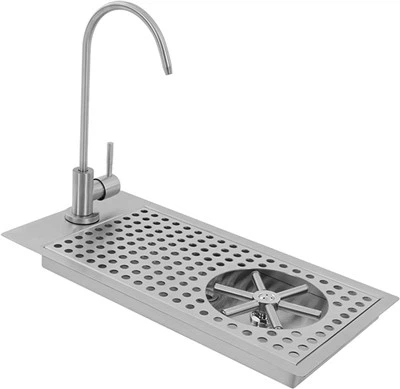
If you’re in the market for a new kitchen sink and are looking for a product that combines style, durability, and excellent impact resistance, a stainless steel farmhouse sink is an excellent choice. Whether you’re a professional chef or a busy home cook, these sinks can handle the rigors of daily use.
Stainless Steel Sink If you’re interested in learning more about our stainless steel farmhouse sinks or would like to discuss a potential purchase, I encourage you to reach out. We’re always happy to answer your questions and help you find the perfect sink for your kitchen.
References
- "Stainless Steel Handbook" by ASM International
- "Materials Science and Engineering: An Introduction" by William D. Callister Jr. and David G. Rethwisch
- Industry reports on kitchen sink materials and performance
Dingyi Shichuang Co., Ltd.
As one of the most professional stainless steel farmhouse sinks manufacturers and suppliers in China, we offer a wide range of products with superior quality. Please rest assured to wholesale customized stainless steel farmhouse sinks made in China here from our factory. Contact us for free sample.
Address: Rm908, Building 4, United Fortune Plaza, Jinan Area,China (ShanDong) Pilot Free Trade Zone
E-mail: info@dingyishichuang.com
WebSite: https://www.dysckitchensink.com/
