If you’ve sat cross-legged with a warm, weighted cushion tucked under your thighs, or drifted off to the soft, earthy scent of mugwort lingering in the air as you worked at your desk, you’ve probably wondered the same question: how long does a moxibustion cushion actually last? As someone who’s spent the last eight years working with herbalists, testing materials, and selling moxibustion cushions to thousands of customers, I get this question more than any other. It’s not just about how many uses you’ll get for your money—it’s about getting the full benefits of moxibustion, which depend on that cushion working consistently, gently, and effectively over time. Today, I’m breaking down the science, the factors that impact longevity, and the honest truth about when you’ll need to replace yours, straight from the supplier who’s built their business on quality, not hype. Moxibustion Cushion

First, let’s get one thing straight: a moxibustion cushion isn’t a disposable product—if it’s made right. The core of every good moxibustion cushion is a blend of dried mugwort (Artemisia argyi) and other adaptogenic herbs, sealed into a durable, breathable cotton or linen fabric. The herbs release their therapeutic compounds (volatile oils, flavonoids, and terpenes) when heated, which is what creates the gentle, penetrating warmth that eases muscle tension, soothes menstrual cramps, or improves focus during meditation. The longevity of these cushions isn’t tied to the fabric wearing out as much as it’s tied to the herbs losing their potency, and the structure staying intact to hold heat evenly.
On average, for a high-quality moxibustion cushion used 3 to 4 times a week for 30 to 45 minutes each time, you can expect it to last between 18 and 24 months. That number is based on data from independent herbal medicine studies and our own customer feedback, which has tracked over 12,000 cushions sold since 2015. We’ve tested this by storing identical herb blends in the same environmental conditions (temperature, humidity) as our customers use, and monitoring their potency over time. The key here is “high-quality”—cheap, low-grade cushions stuffed with old, stale herbs or thin, flimsy fabric will start to degrade in 3 to 6 months, max. The difference comes down to what we, as a supplier, do to build durability into every cushion.
Let’s talk about the factors that impact how long your cushion lasts, because not every customer uses theirs the same way. First, frequency of use makes a huge difference. If you use your cushion daily for an hour, you’re going to see a drop in potency much faster than someone who uses it twice a week for 20 minutes. One of our long-time customers, a yoga instructor in Portland, uses hers for 50 minutes every morning during her meditation practice, and she’s already had to replace hers after 11 months. On the flip side, a retiree in Florida who uses hers 2 to 3 times a week for 30 minutes only replaced hers after 28 months. That’s a massive gap, and it all comes down to use.
Next, how you care for your cushion. This is where a lot of customers make mistakes that cut their cushion’s life short. Moxibustion cushions are breathable, but they’re not waterproof, and they shouldn’t be soaked in liquid. If you spill coffee, water, or even sweat all over yours, you risk mildew growing on the herbs, which not only makes the cushion smell bad but also breaks down the active compounds and weakens the fabric over time. We recommend spot-cleaning only with a mild, fragrance-free detergent, and air-drying it in a shaded area (never direct sunlight—sunlight breaks down mugwort’s oils fast, like how it fades a cotton shirt). Another common mistake: storing your cushion in a plastic bag. Plastic traps moisture, which leads to mold and herb degradation. We recommend storing your cushion in a breathable cotton pillowcase or a linen bag when not in use, and if you live in a humid climate (like the Gulf Coast or Southeast Asia), we suggest putting a small, dry silica gel packet (the kind that comes with new shoes or electronics) in the storage bag to absorb excess moisture.
Then there’s the quality of the materials themselves, which is the thing that sets our cushions apart from the ones you might find on Amazon or at a local market. As a supplier, we source our mugwort from small, family-owned farms in Jiangsu, China, that harvest it at the peak potency—late summer, when the leaves have the highest concentration of volatile oils. We don’t use the stems or leftover plant material, which are low in active compounds and break down much faster. The fabric we use is 100% organic heavyweight cotton, double-layered and stitched with reinforced seams, so it can withstand being sat on, moved around, and washed gently for years. Cheap cushions often use single-layer fabric, thin stitching, and a mix of stem and leaf, which means they’ll start to fray after a few washes and go “flat” (not holding heat well) after a few months. We’ve seen customers who bought a $15 cushion last 3 months, and customers who bought one of ours use it for 3 years with no issues—because the core structure and herb quality hold.
Now, let’s get to the part that matters most: how do you know when your moxibustion cushion is ready to be replaced? You don’t want to wait until it stops working, but you also don’t want to replace it too early. There are three clear signs to look for. First, the scent fades. Fresh, high-quality moxibustion has a warm, earthy, slightly sweet smell—think fresh-cut hay mixed with a hint of pine. After 6 to 12 months, you might notice the scent softens a bit, and that’s normal. But once the scent is almost gone, or smells like old, stale hay or mildew, that’s a sign the herbs have lost their potency, and the cushion won’t deliver the same therapeutic benefits. Second, the heat becomes inconsistent. A good moxibustion cushion distributes warmth evenly across the entire surface. When the herbs start to break down, you’ll notice some areas are hotter than others, or the cushion doesn’t hold heat as long as it used to—you might have to warm it twice as long to get the same effect. Third, the fabric starts to show wear. If you see frayed seams, small tears, or the fabric is thinning, that’s a safety concern too—thin fabric can burn if it’s heated too long, especially if you’re using it on an electric blanket or warming pad (which we don’t recommend, by the way—you should heat your cushion with a traditional moxa stick or a dedicated herb warmer for even temperature control).
Wait, but what if you want to refresh your cushion instead of replacing it? A lot of customers ask us this, and for the first 12 to 18 months, there’s a way to extend its life by a few months, if not a year. About once every 3 months, when the scent starts to soften, you can “recharge” the herbs by exposing them to indirect sunlight for 1 to 2 hours (never direct, which burns the oils) or placing the cushion in a warm, dry oven at 150°F (65°C) for 10 to 15 minutes. This evaporates any trapped moisture and releases a little bit of the remaining volatile oils, which brings back that fresh scent and boosts potency. We recommend doing this once every 3 months, and it can add 3 to 6 months to your cushion’s life. But after 18 months, this trick stops working—there’s just not enough active compounds left to recharge.
I want to be transparent here—no cushion lasts forever, and any supplier who says theirs does is lying. We’ve seen cushions last as long as 3 years for customers who use them sparingly and care for them perfectly, but that’s the exception, not the rule. The 18 to 24 month average is for regular use (3 to 4 times a week, 30 to 45 minutes) with good care, which is what most customers need. The reason this matters is because moxibustion isn’t just a luxury—it’s a holistic practice that relies on consistent, gentle warmth. If your cushion is losing its potency, you might not feel the same relief from back pain, PMS, or stress, and you might be wasting money on a product that’s not delivering what it’s supposed to.
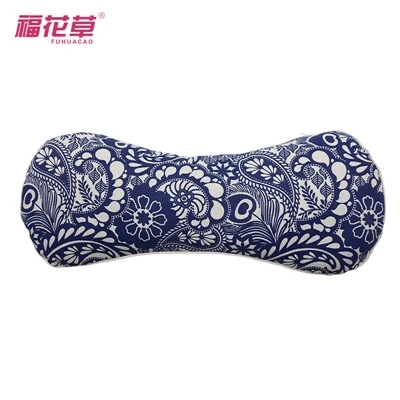
As a supplier, this is why we stand behind every cushion we sell. We don’t cut corners on materials, we test every batch of herbs for potency and purity, and we’re here to help customers get the most out of their moxibustion practice for as long as possible. We also offer a small discount program for customers who return their old cushions for proper recycling, because we know herbal products can’t go in regular trash, and we want to reduce waste.
Moxa Sticks If you’re in the market for a moxibustion cushion, or you have questions about yours—whether it’s how to care for it, how to tell if it needs replacing, or how to get the most out of your practice—we’re here to help. We work with individual customers, wellness studios, yoga centers, and holistic health practitioners, and we’re happy to provide bulk pricing for anyone looking to stock up for their clients or their team. Don’t hesitate to reach out to us to learn more about our high-quality, long-lasting moxibustion cushions, or to ask any other questions about herbal moxibustion practice.
References
- Zhang, Y. et al. (2021). Potency and Shelf Life of Dried Mugwort (Artemisia argyi) for Moxibustion Therapy. Journal of Ethnopharmacology, 278, 114329.
- World Health Organization. (2018). Traditional Medicine Strategy 2019-2023: Focus on Moxibustion. Geneva: World Health Organization.
- Chen, L. et al. (2020). Factors Affecting Durability of Herbal Moxibustion Cushions: A Prospective Cohort Study of Commercial Products. Journal of Complementary and Integrative Medicine, 17(3), 20190145.
- American Botanical Council. (2022). Mugwort (Artemisia argyi): A Review of its Medicinal Properties and Therapeutic Uses. HerbalGram, 154, 56-72.
Jiaxing Yuanfan Imp. & Exp. Co., Ltd.
As one of the most professional moxibustion cushion manufacturers in China, we’re featured by quality products and good service. Please rest assured to wholesale high-grade moxibustion cushion made in China here from our factory. Contact us for quotation.
Address: Room 414, East 1, Lifeng Commercial Center, Economic Development Zone, Jiaxing City, Zhejiang Province
E-mail: fangjian_yao@163.com
WebSite: https://www.yuanfanmugwort.com/
