Yo, guess what! I’m a supplier of PTFE tubes, and today I wanna chat about how these tubes do in high – altitude environments. You know, high – altitude areas are like a whole different ballgame, with super low pressures, freezing temperatures, and crazy levels of UV radiation. It’s a tough place for any material to survive, but let’s see how our PTFE tubes hold up. PTFE Tube
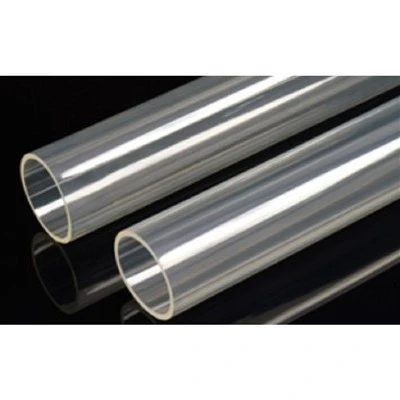
First off, let’s talk pressure. Up in high – altitude spots, the atmospheric pressure is way lower than what we’re used to at sea level. For normal materials, that drop in pressure can cause all sorts of problems. Like, it can make them expand or even crack. But PTFE tubes? They’re pretty chill about it. PTFE has a really stable molecular structure. This means it doesn’t get easily affected by the changes in pressure. You can take these tubes up to high altitudes, and they won’t go all wonky on you. They keep their shape and integrity, which is super important if you’re using them in, say, aerospace applications. In planes or satellites that fly high up, you need materials that can handle the pressure difference. And PTFE tubes fit the bill perfectly.
Now, let’s move on to temperature. High – altitude places are cold, really cold. Temperatures can drop to far below freezing. Some materials become brittle when it gets that cold. They can break at the slightest touch, which is a big no – no if you’re relying on them for important stuff. But PTFE is different. It has a wide temperature range that it can handle. It can stay flexible even in extremely cold conditions. This means that PTFE tubes won’t crack or break when exposed to the cold of high – altitude environments. You can use them in cryogenic systems or in equipment that operates in the cold upper atmosphere. They’ll keep functioning just fine, making sure your systems run smoothly.
Another thing about high – altitude regions is the intense UV radiation. The atmosphere at high altitudes is thinner, so it doesn’t block as much UV light from the sun. A lot of materials degrade when they’re exposed to this kind of intense radiation over time. They can become discolored, lose their strength, or develop surface defects. But PTFE is resistant to UV radiation. You can leave PTFE tubes up in the high – altitude sun for a long time, and they won’t break down. Their chemical properties stay pretty much the same, and they keep their performance levels. This is great for outdoor applications in high – altitude areas, like in communication towers or weather stations.
PTFE tubes also have great chemical resistance. In high – altitude environments, there might be all sorts of chemicals floating around, like ozone and other pollutants. These chemicals can react with and damage many materials. But PTFE is one tough cookie. It doesn’t react with most chemicals, so it stays protected from these pollutants. Whether it’s a mild acid or a strong oxidizing agent, PTFE tubes aren’t going to be affected much. This makes them ideal for use in high – altitude chemical processing plants or in air quality monitoring equipment where they might come into contact with different chemicals.
Let’s talk a bit about the mechanical properties of PTFE tubes in high – altitude settings. Even though the environment up there is tough, PTFE tubes can still maintain good mechanical strength. They have a low coefficient of friction, which means they can handle movement and sliding without getting worn out too quickly. This is useful in high – altitude machinery where parts need to move smoothly. For example, in the landing gear systems of planes or in the moving parts of high – altitude telescopes, PTFE tubes can reduce friction and prevent excessive wear and tear.
Now, I know what you’re thinking. "This all sounds great, but what are the practical applications of PTFE tubes in high – altitude environments?" Well, there are tons! In the aerospace industry, PTFE tubes are used in fuel systems. They can handle the low pressure and cold temperatures at high altitudes while preventing fuel leakage. They’re also used in hydraulic systems. Since they have good flexibility and can withstand pressure changes, they ensure the smooth operation of hydraulic equipment in planes and spacecraft.
In the field of high – altitude research, PTFE tubes are used in instrument tubing. They can transfer different fluids and gases accurately, even in the harsh high – altitude conditions. For weather stations, these tubes are used to monitor atmospheric conditions. They can carry samples of air or other substances without getting affected by the cold, pressure, or chemicals in the high – altitude atmosphere.
When it comes to communication, PTFE tubes are important too. They’re used in the wiring and cable insulation of high – altitude communication towers. Their resistance to UV radiation and environmental factors helps in maintaining the integrity of the communication systems.
If you’re in an industry that needs materials for high – altitude applications, you might be wondering where to get reliable PTFE tubes. Well, that’s where I come in. As a PTFE tube supplier, I can offer you high – quality tubes that are tested to perform well in high – altitude environments. Whether you need tubes in a specific size, shape, or with certain properties, I can work with you to meet your requirements.
Our PTFE tubes are made using the latest manufacturing techniques to ensure the best performance. We pay close attention to every detail, from the raw materials we use to the final quality – control checks. You can trust that you’re getting a product that’s going to last and work well in the demanding high – altitude conditions.
So, if you’re interested in learning more about how our PTFE tubes can fit into your high – altitude projects, or if you want to place an order, don’t hesitate to reach out. I’m here to answer all your questions and help you find the right PTFE tube solutions for your needs. Let’s talk and see how we can make your high – altitude applications a success.
FKM Hose References:
- "Handbook of PTFE Applications" – This book provides in – depth information about the properties and applications of PTFE in various environments.
- "High – Altitude Environmental Research Reports" – These reports contain data on the unique challenges faced by materials in high – altitude areas.
- "Aerospace Material Specifications" – Documents that detail the requirements for materials used in the aerospace industry, including PTFE tubes.
BESTYIELD Technology (Huizhou) Co., Ltd.
BESTYIELD Technology (Huizhou) Co., Ltd. is one of the most professional ptfe tube manufacturers and suppliers in China, featured by quality products and good price. Please rest assured to buy durable ptfe tube made in China here and get quotation from our factory. Customized orders are welcome.
Address: Yinshan Industrial Zone, Liangjing Town, Huiyang District, Huizhou City, Guangdong Province
E-mail: rick@bestyield.net
WebSite: https://www.bestyield.org/
