As a supplier of Aluminum Railing Systems, I understand the importance of maintaining the integrity and appearance of our products. One common issue that customers often face is the problem of aluminum railings getting dented. Dents not only mar the aesthetic appeal of the railings but can also potentially compromise their structural integrity over time. In this blog post, I will share some practical tips on how to prevent aluminum railing systems from getting dented. Aluminum Railing Systems

Understanding the Nature of Aluminum
Before delving into prevention methods, it’s essential to understand the properties of aluminum. Aluminum is a lightweight and corrosion – resistant metal, which makes it an ideal choice for railing systems. However, it is also relatively soft compared to some other metals. This means that it can be more susceptible to dents, especially when exposed to significant impact.
Proper Installation
The first line of defense in preventing dents is proper installation. When railing systems are installed correctly, they are less likely to be damaged due to movement or improper support.
- Professional Installation: Always hire experienced installers who are familiar with aluminum railing systems. They know how to secure the rails firmly to the posts and the mounting surface. If the railings are loose or not properly attached, they can move and be more vulnerable to impact.
- Correct Spacing: Ensure that the spacing between the posts and the rails is in accordance with industry standards. If the spacing is too wide, the railing may flex more under pressure, increasing the risk of dents.
- Level Installation: The railing system should be installed level. An uneven railing can cause stress points, which can lead to dents when even a minor force is applied.
Protective Barriers
Using protective barriers can significantly reduce the risk of dents.
- Bumpers: Install rubber or plastic bumpers on areas where the railing is likely to come into contact with other objects. For example, if the railing is near a driveway or a loading area, placing bumpers at strategic points can absorb the impact from vehicles or equipment.
- Guard Rails: In high – traffic areas or areas where there is a risk of machinery or large objects hitting the railing, consider installing additional guard rails. These can act as a buffer and prevent direct contact with the main aluminum railing system.
- Safety Netting: In some cases, such as in industrial or construction settings, safety netting can be used around the railing. This can catch falling objects or debris before they can hit the railing and cause dents.
Regular Maintenance and Inspection
Regular maintenance and inspection are crucial for preventing dents and ensuring the long – term performance of the aluminum railing system.
- Cleaning: Keep the railing clean to maintain its strength and appearance. Dirt, grime, and chemicals can corrode the surface of the aluminum, making it more prone to dents. Use a mild detergent and a soft cloth or sponge to clean the railing periodically.
- Inspection: Inspect the railing system regularly for signs of damage, such as loose connections, scratches, or potential weak spots. Early detection of these issues allows you to address them before they turn into more significant problems, including dents.
- Tightening Fasteners: Over time, the fasteners that hold the railing system together can loosen. Regularly check and tighten these fasteners to ensure that the railing remains firm and stable.
Handling and Storage
Proper handling and storage of the aluminum railing system are important, especially during transportation and before installation.
- Transportation: When transporting the railing system, use appropriate padding and securing methods. Wrap the rails in protective materials such as foam or bubble wrap to prevent them from rubbing against each other or other objects during transit. Secure the rails firmly to the vehicle to prevent movement.
- Storage: Store the railing system in a dry and clean area. Avoid stacking heavy objects on top of the rails, as this can cause dents. If possible, store the rails in an upright position to reduce the risk of deformation.
Educating End – Users
If you are supplying the railing systems to customers, it’s important to educate them on how to prevent dents.
- User Manuals: Provide detailed user manuals that include information on proper use, maintenance, and how to avoid actions that can cause dents.
- Training Sessions: In some cases, especially for commercial or industrial customers, offer training sessions on the care and handling of the railing systems. This can help end – users understand the best practices for keeping the railings in good condition.
Choosing the Right Aluminum Alloy
Not all aluminum alloys are created equal when it comes to dent resistance.
- Alloy Selection: As a supplier, we can recommend the appropriate aluminum alloy based on the specific application of the railing system. Some alloys are stronger and more resistant to dents than others. For example, 6061 – T6 aluminum alloy is a popular choice for railing systems due to its good strength – to – weight ratio and relatively high resistance to dents.
- Thickness: The thickness of the aluminum also plays a role in dent resistance. Thicker rails are generally more resistant to dents than thinner ones. However, the thickness should be balanced with the aesthetic and cost requirements of the project.
Impact – Resistant Coatings
Applying impact – resistant coatings can enhance the dent resistance of aluminum railing systems.
- Powder Coating: Powder coating not only provides a durable and attractive finish but also adds an extra layer of protection against dents. The powder coating can absorb some of the impact energy and prevent it from directly affecting the aluminum surface.
- Specialized Coatings: There are also specialized impact – resistant coatings available on the market. These coatings are designed to provide enhanced protection against scratches and dents, and they can be a good option for high – risk areas.
Monitoring the Surrounding Environment
The environment in which the railing system is installed can have a significant impact on its susceptibility to dents.
- Traffic and Activity Levels: In areas with high traffic or heavy equipment movement, the risk of dents is higher. Consider the traffic patterns and activity levels when installing the railing system and take appropriate preventive measures.
- Weather Conditions: Extreme weather conditions, such as strong winds or hail, can also cause dents. In areas prone to such weather, additional protection or more durable railing systems may be required.
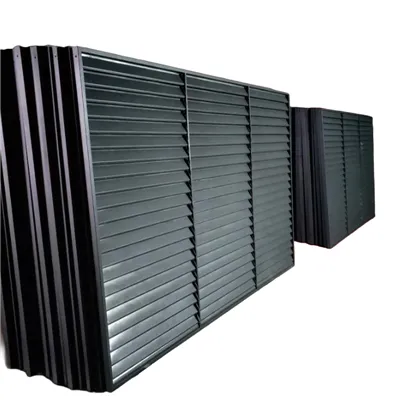
In conclusion, preventing aluminum railing systems from getting dented requires a comprehensive approach that includes proper installation, the use of protective barriers, regular maintenance, and careful consideration of the surrounding environment. As a supplier of Aluminum Railing Systems, we are committed to providing high – quality products and offering the best advice to our customers on how to keep their railings in excellent condition.
Railing Systems If you are interested in purchasing our aluminum railing systems or have any questions about dent prevention or our products in general, please feel free to contact us for a detailed discussion. We look forward to working with you to meet your railing needs.
References
- Aluminum Association. (Year). Aluminum Design Manual.
- ASTM International. (Year). Standards for Aluminum Railing Systems.
- Various industry publications on metal fabrication and railing installation.
Jiangxi Hengmei New Materials Co., Ltd.
We’re well-known as one of the leading aluminum railing systems manufacturers in China, featured by quality products and good service. Please rest assured to buy bulk aluminum railing systems made in China here from our factory. We also accept customized orders.
Address: Wanfu Industrial Park, Wuning County, Jiujiang City, Jiangxi Province
E-mail: 13979274798@163.COM
WebSite: https://www.hengmeiindustry.com/
