As a supplier of PE shrink film, I’ve witnessed firsthand the crucial role that temperature plays in the shrinkage process. PE shrink film is a popular choice for packaging due to its versatility, clarity, and strength. However, understanding the effect of temperature on its shrinkage is essential for achieving optimal results in packaging applications. PE Shrink Film
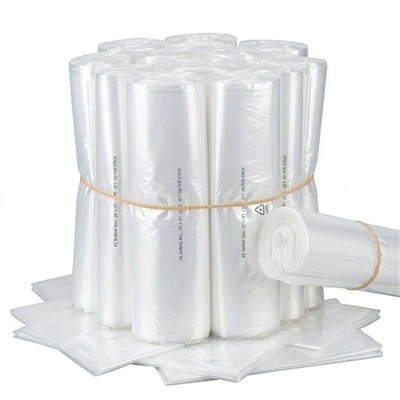
To grasp the relationship between temperature and the shrinkage of PE shrink film, it’s important to delve into the material’s properties. PE, or polyethylene, is a thermoplastic polymer. This means that when exposed to heat, it undergoes a physical change, transitioning from a rigid state to a more malleable one. As the film heats up, the polymer chains within it begin to relax and move more freely. When the film cools down, these chains contract, causing the film to shrink and tightly conform to the shape of the product it’s wrapping.
The shrinkage behavior of PE shrink film is not a one – size – fits – all scenario. Different types of PE shrink film, such as low – density polyethylene (LDPE) and high – density polyethylene (HDPE), have different melting points and shrinkage characteristics. Generally, LDPE has a lower melting point and greater flexibility, which makes it more suitable for applications where a gentle shrink is required, such as for delicate products or when using lower – temperature heat sources. HDPE, on the other hand, has a higher melting point and greater stiffness, allowing it to withstand higher temperatures and providing a more rigid shrink for heavier or larger items.
One of the most significant effects of temperature on PE shrink film is the rate of shrinkage. At lower temperatures, the shrinkage process is slower. The polymer chains in the film have less energy to move and re – arrange themselves. This can result in an uneven shrink, where some parts of the film may shrink more slowly than others, leading to a less – than – perfect fit around the product. For example, if you’re using a heat gun at a temperature that is too low, the film may take a long time to shrink, and you might end up with wrinkles or loose areas on the package.
As the temperature increases, the rate of shrinkage accelerates. The polymer chains gain more kinetic energy, allowing them to move more rapidly and contract more quickly. This can lead to a more uniform and tight shrink around the product. However, there is a fine line to walk. If the temperature is too high, it can cause the film to over – shrink, melt, or even burn. Over – shrinking can lead to a distorted appearance of the package, and in extreme cases, it can damage the product inside. For instance, if you’re packaging a food item with PE shrink film and the temperature is set too high, the film may melt and stick to the food, rendering the product unappealing and potentially unsafe for consumption.
Another important aspect is the final shrinkage percentage, which is also highly influenced by temperature. Each type of PE shrink film is designed to achieve a certain maximum shrinkage percentage under specific temperature conditions. For example, a typical LDPE shrink film might be able to achieve a shrinkage of up to 50% in the machine direction and 40% in the transverse direction when exposed to the appropriate temperature. If the temperature is below the recommended range, the film may not reach its maximum shrinkage potential, resulting in a loose – fitting package. On the other hand, if the temperature is above the recommended level, the film may shrink beyond the intended percentage, causing it to become too tight and potentially tear.
The temperature distribution during the shrinkage process is also critical. In industrial shrink – wrapping machines, ensuring that the heat is evenly distributed across the entire surface of the film is essential for a consistent shrink. Uneven temperature distribution can occur due to various factors, such as the design of the heating element, the distance between the film and the heat source, or the speed at which the product moves through the shrink tunnel. If one side of the film is exposed to a higher temperature than the other, it will shrink more, leading to a crooked or misaligned package.
In addition to the overall shrinkage behavior, temperature can also affect the clarity and strength of the PE shrink film after shrinkage. At the optimal temperature, the film will shrink tightly around the product while maintaining its clarity, allowing the contents of the package to be clearly visible. However, if the temperature is too high, the film may become hazy or develop a yellowish tint, which can detract from the visual appeal of the package. In terms of strength, proper temperature control ensures that the film retains its mechanical integrity. Over – heating can weaken the film, making it more prone to tearing or puncturing during handling and transportation.
To control the temperature effectively during the shrinkage process, several methods can be employed. In manual operations, such as using a heat gun, operators need to be trained to maintain a consistent distance from the film and to move the heat source evenly across the surface. This requires experience and a good understanding of the film’s properties. In industrial settings, shrink – wrapping machines can be equipped with precise temperature control systems. These systems allow operators to set and maintain the desired temperature within a narrow range, ensuring consistent and high – quality shrinkage results.
As a PE shrink film supplier, I understand the importance of providing our customers with detailed information about the temperature requirements for our products. We offer a range of PE shrink films with different shrinkage characteristics, and we work closely with our customers to determine the most suitable film for their specific packaging needs. We also provide technical support to help them optimize the temperature settings in their shrink – wrapping processes.
If you’re in the market for high – quality PE shrink film, it’s crucial to consider the temperature factor. Choosing the right film and controlling the temperature properly can significantly improve the appearance and functionality of your packaging. Whether you’re packaging small consumer products, large industrial items, or food products, our team of experts can assist you in finding the best solution. We have extensive experience in the industry and can provide you with valuable insights and recommendations based on your specific requirements.
Don’t hesitate to reach out to us to start a conversation about your PE shrink film needs. We’re here to help you achieve the perfect shrink every time, ensuring that your products are well – packaged and presented to your customers in the best possible way.
POF Shrink Film References
- "Plastics Packaging Technology" by Rosato, David V.
- "Handbook of Plastic Films" by T. C. Patil.
- Industry research reports on PE shrink film applications and properties.
Shanghai Ruiyue Plastic Products Co., Ltd.
With abundant experience, we are one of the most professional pe shrink film manufacturers and suppliers in China. We warmly welcome you to buy high quality pe shrink film in stock here from our factory. If you have any enquiry about customized service, please feel free to email us.
Address: No. 1000, Lixue Road, Malu Town, Jiading District, Shanghai
E-mail: shenyang.boss@ruiyueplastics.com
WebSite: https://www.ruiyueplastics.com/
